Charging Your EV Like a Boss: The Diagrams That Will Make Your Head Spin (In a Good Way)
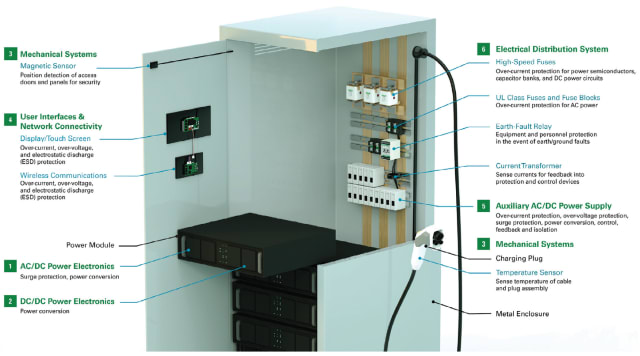
Ever stared at a charging station diagram and thought, “What the heck is that?” You’re not alone. In this guide, we’ll break down every component of an EV charging station with the same clarity (and wit) you’d expect from a stand‑up comedian. By the end, you’ll know why there’s a transformer, a rectifier, and a tiny fridge inside a charger, and you’ll be ready to explain it to your friends without sounding like a tech‑savvy robot.
1. Power Supply: The Mighty Source of Life
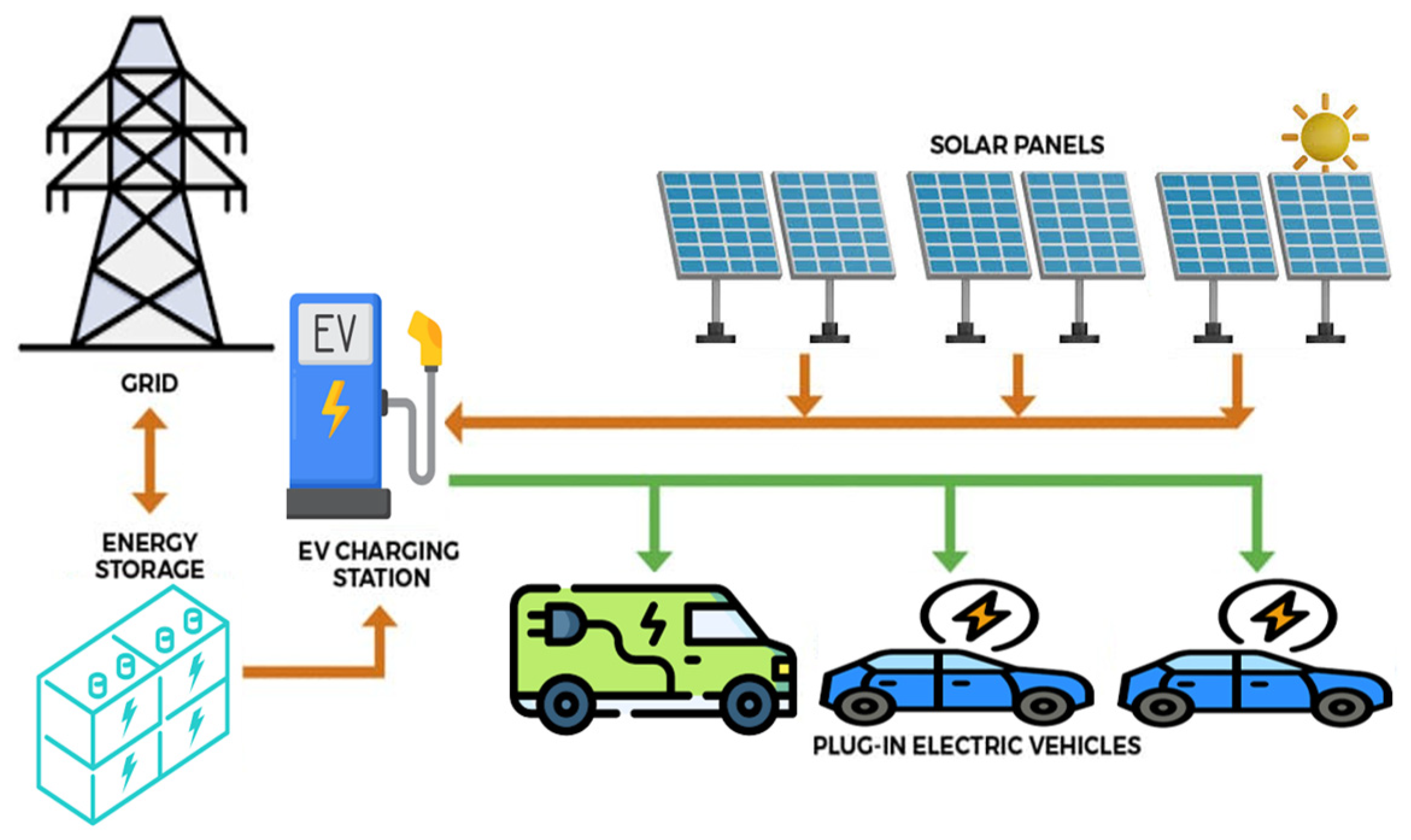
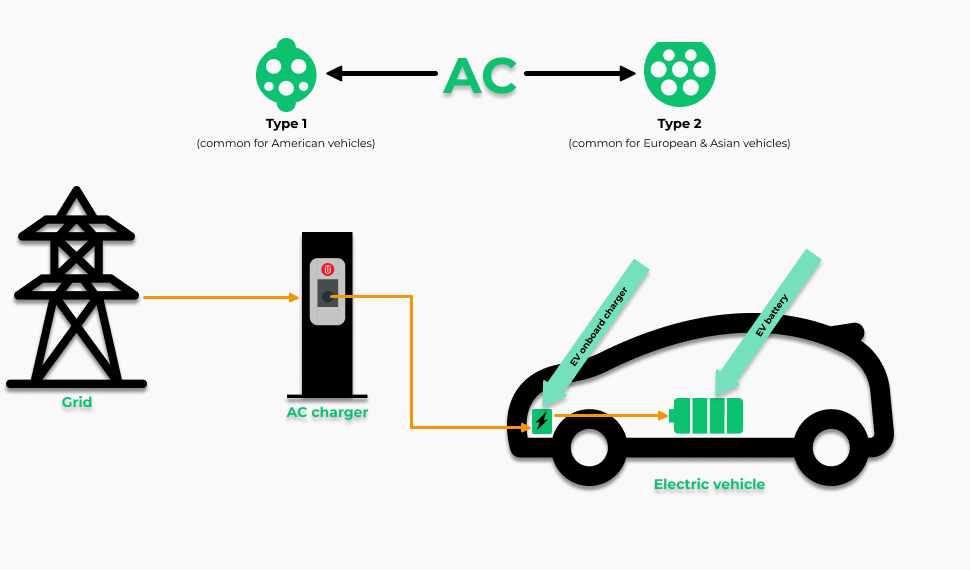
Think of the power supply as the heart of the charging station. It’s where the electricity comes in—usually from the local utility grid. In the Solar EV Charging diagram, this is the part that receives power from the sun, but in most on‑grid stations it’s just a thick cable connecting to a transformer. The key job here is to provide a steady flow of AC (alternating current) that can later be transformed into the DC (direct current) your EV battery craves.

2. Transformer: The Shape‑Shifting Hero
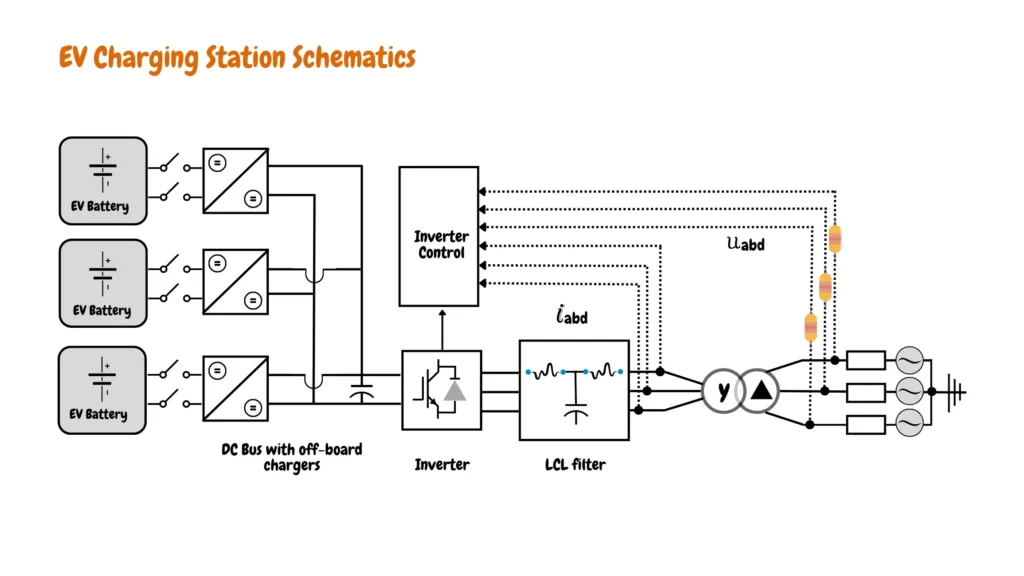
A transformer is the unsung hero that steps down the high voltage from the grid to a safer, more manageable level. Picture it as a superhero that can shrink a monstrous electric charge down to a teeny‑tiny version that won’t fry your car. It’s also the reason your charger can have that sleek, “not a frying pan” look. Transformers are rated for safety, so you don’t end up with a backyard BBQ powered by your EV charger.
3. Rectifier: Turning AC Into DC (Because EVs Hate AC)
After the transformer, the rectifier steps in. Think of it as a traffic cop for electricity, directing all that AC chaos into a smooth stream of DC. Your EV battery only likes DC, so the rectifier makes sure the current is one‑way, like a one‑way street in a city that refuses to let cars turn around. The rectifier also helps regulate voltage spikes that could otherwise turn your car into a lightning rod.
4. Controller: The Brain Behind the Operation
Once the current is ready, the controller is the smart brain that decides how fast to charge, monitors temperature, and ensures everything stays within safe limits. It’s like your car’s personal trainer—only instead of counting reps it counts amps. The controller can communicate with the vehicle via protocols like ISO 15118, which lets your car and charger talk to each other in the language of electricity. If your charger were a person, the controller would be the polite but firm manager who ensures everyone follows the rules.
5. Battery Storage: The “Backup” in a Battery Backup
Some charging stations have built‑in battery storage. It’s a bit like having a mini‑Tesla in the charger. When the grid is overloaded or the solar panels aren’t producing enough juice, the storage battery steps in to keep the charging flowing. It also helps smooth out the power draw, so your local transformer isn’t doing a chaotic dance of high‑and‑low currents.
6. Safety Systems: The Red‑Light Green‑Light of EV Charging
Safety is paramount. You’ll find fuses, circuit breakers, and ground fault interrupters (GFI) all working together to keep your charger and vehicle safe from electrical mishaps. These devices are like the bouncers at a nightclub, making sure that only the right current gets in and that everything stops if something feels off. Think of them as the “no trespassing” signs of the charging world.
7. Communication Interfaces: The Digital Love Letters
Modern chargers aren’t just mechanical; they talk. They use protocols like OCPP (Open Charge Point Protocol) for networked charging and ISO 15118 for vehicle communication. This is how your charger knows whether to start or stop, how fast to charge, and whether you’re on a public or home charger. It’s the reason you can get a notification on your phone that your EV is halfway charged while you’re still deciding between a latte or a smoothie.
8. Cable Management: Because Untangled Cords Are a Bad Mood
Cables can be a nightmare if not managed properly. A good station will have a neat cable management system that keeps the charging cord out of the way and protected from the elements. Think of it as the station’s personal valet, ensuring the cable is always ready for service but never in the middle of your lawn.
9. Environmental Considerations: Going Green with Green Light
Many modern charging stations incorporate solar panels or use renewable sources, as shown in the Solar EV Charging diagram. This reduces reliance on the grid and cuts emissions. When your charger is powered by the sun, you’re not just charging your EV—you’re also charging the planet with a little extra pep.

Conclusion: Power Up with Confidence
Now that you’ve navigated the maze of transformers, rectifiers, and communication protocols, you can confidently approach any charging station, no matter how intimidating its schematic might look. Remember: a charger is more than just a box of wires—it’s a tiny power plant, a safety system, and a digital communicator all rolled into one. So next time your EV plugs in, give a nod to the unsung heroes behind the scenes, and enjoy the smooth, silent hum of efficient charging.
Design Ev Charging Station Layout, Site Plan, Panel Schedule And Sld

Design ev charging station layout, site plan, panel schedule and sld
Ev Charger Diagram
Ev Charger Diagram
Ev Charging Station Circuit Diagram

Ev Charging Station Circuit Diagram
Energy Metering For EV Charging Stations

Energy Metering for EV Charging Stations
Ev Charging Station Circuit Diagram

Ev Charging Station Circuit Diagram
Alternative Fuels Data Center: Electric Vehicle Charging Stations

Alternative Fuels Data Center: Electric Vehicle Charging Stations
Level-2 EV Charging Station Wiring Diagram | EdrawMax Templates

Level-2 EV Charging Station Wiring Diagram | EdrawMax Templates
Block Diagram Of Ev Charging » Diagram Board

Block Diagram Of Ev Charging » Diagram Board
EV Charging Station
/installation_overview.jpg)
EV Charging Station
Ev Charger Diagram

Ev Charger Diagram
Ev Charging Station Circuit Diagram

Ev Charging Station Circuit Diagram
How To Install Electric Car Charging Stations For Businesses | BDC.ca

How to install electric car charging stations for businesses | BDC.ca
Ev Charging Station Circuit Diagram

Ev Charging Station Circuit Diagram
Optimal Placement Of Electric Vehicle Charging Stations In An Active
Optimal Placement of Electric Vehicle Charging Stations in an Active ...
How Electric Vehicle (EV) Charging System Works? Block Diagram - ETechnoG

How Electric Vehicle (EV) Charging System Works? Block Diagram - ETechnoG
Level 3 EV Charging Explained - Electric Vehicle Geek
Level 3 EV Charging Explained - Electric Vehicle Geek
Electric Vehicle Charging Station Wiring Diagram

Electric Vehicle Charging Station Wiring Diagram
How Ev Charging Station Works At Betty Sansbury Blog
How Ev Charging Station Works at Betty Sansbury blog
Brief Details Of EV Charging Station

Brief Details of EV Charging Station
Ev Charging Station Electrical Design At Rose Briggs Blog

Ev Charging Station Electrical Design at Rose Briggs blog
Ev Charging Station Circuit Diagram

Ev Charging Station Circuit Diagram
EV Charging Station
/overview.jpg)
EV Charging Station
Ev Charging Station Schematic At Thomas More Blog
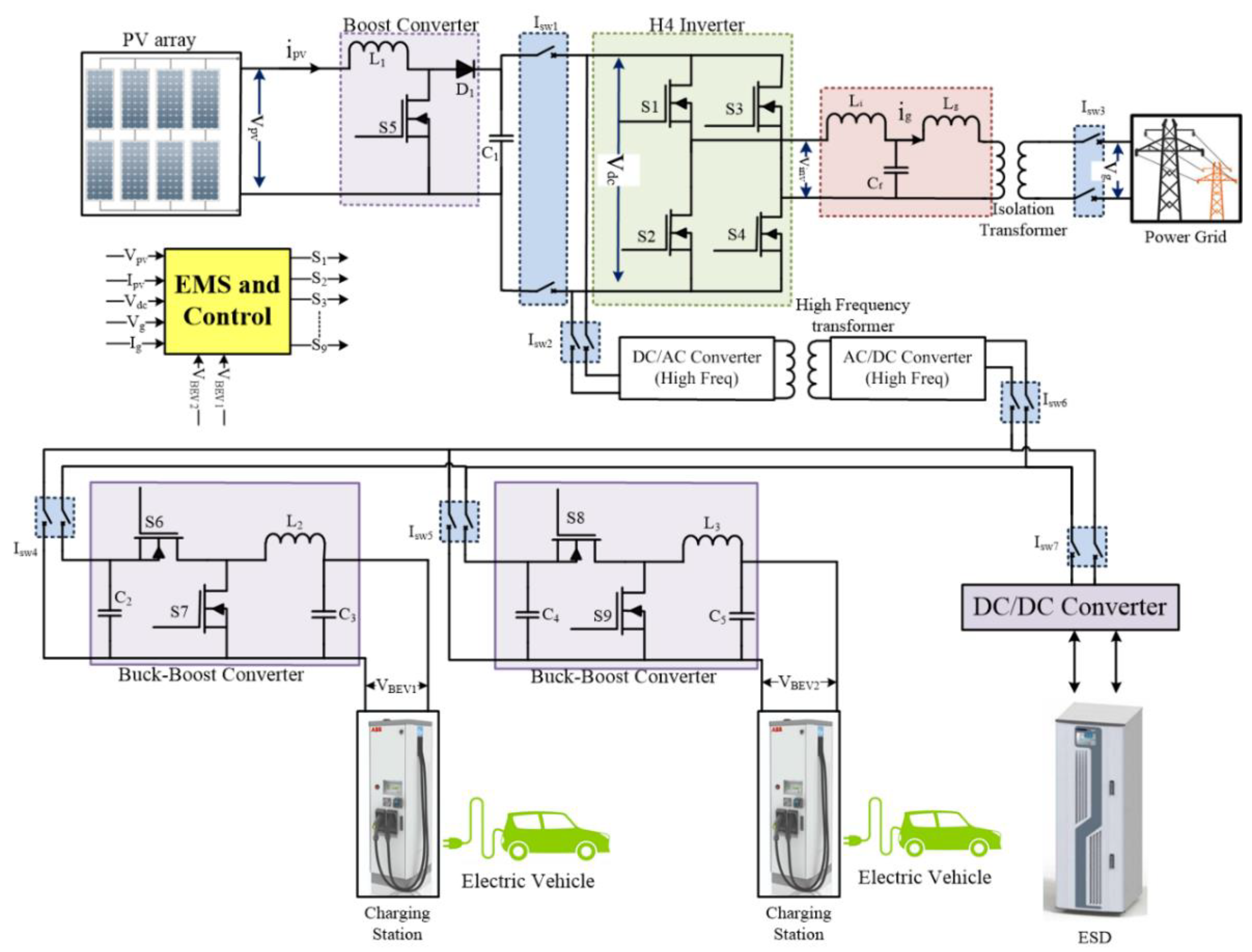
Ev Charging Station Schematic at Thomas More blog
Wiring Ev Charging Station At Brooke Donald Blog
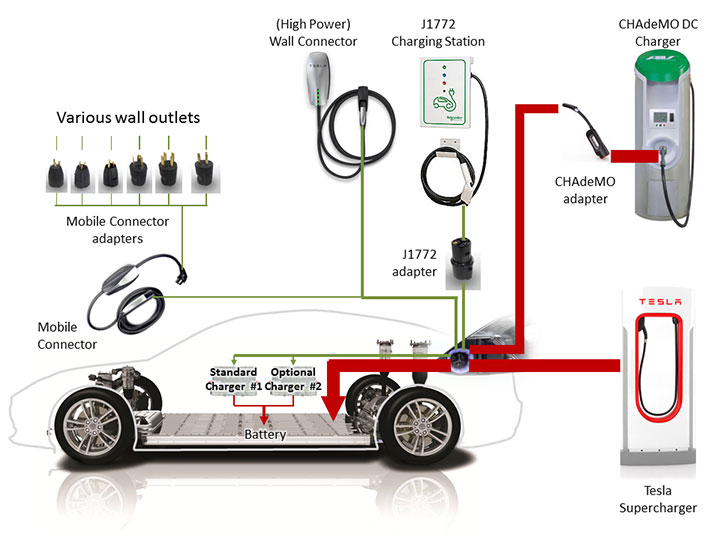
Wiring Ev Charging Station at Brooke Donald blog
Ev Charging Station Circuit Diagram

Ev Charging Station Circuit Diagram
Whole Solution For EV Charger Station Localization-Rockwill

Whole Solution for EV Charger Station Localization-Rockwill
Ev Charging Station Circuit Diagram

Ev Charging Station Circuit Diagram
Solar Ev Charging Station Design At Michael Hooton Blog

Solar Ev Charging Station Design at Michael Hooton blog
Ev Charging Station Circuit Diagram
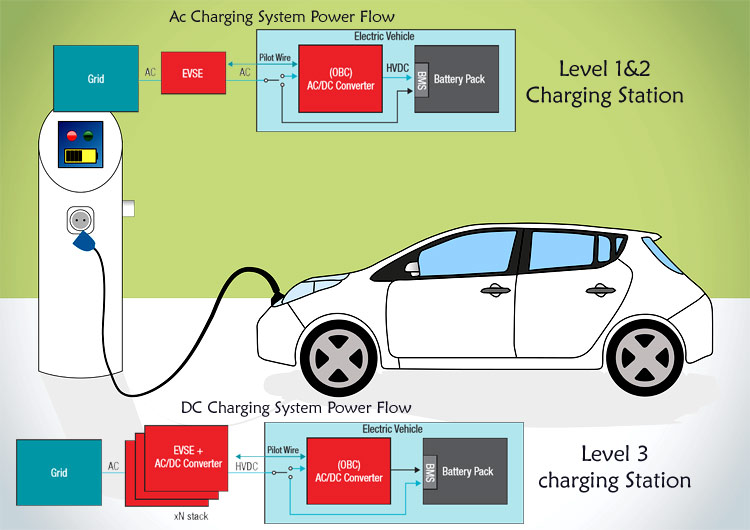
Ev Charging Station Circuit Diagram
Ev Charger Circuit Diagram
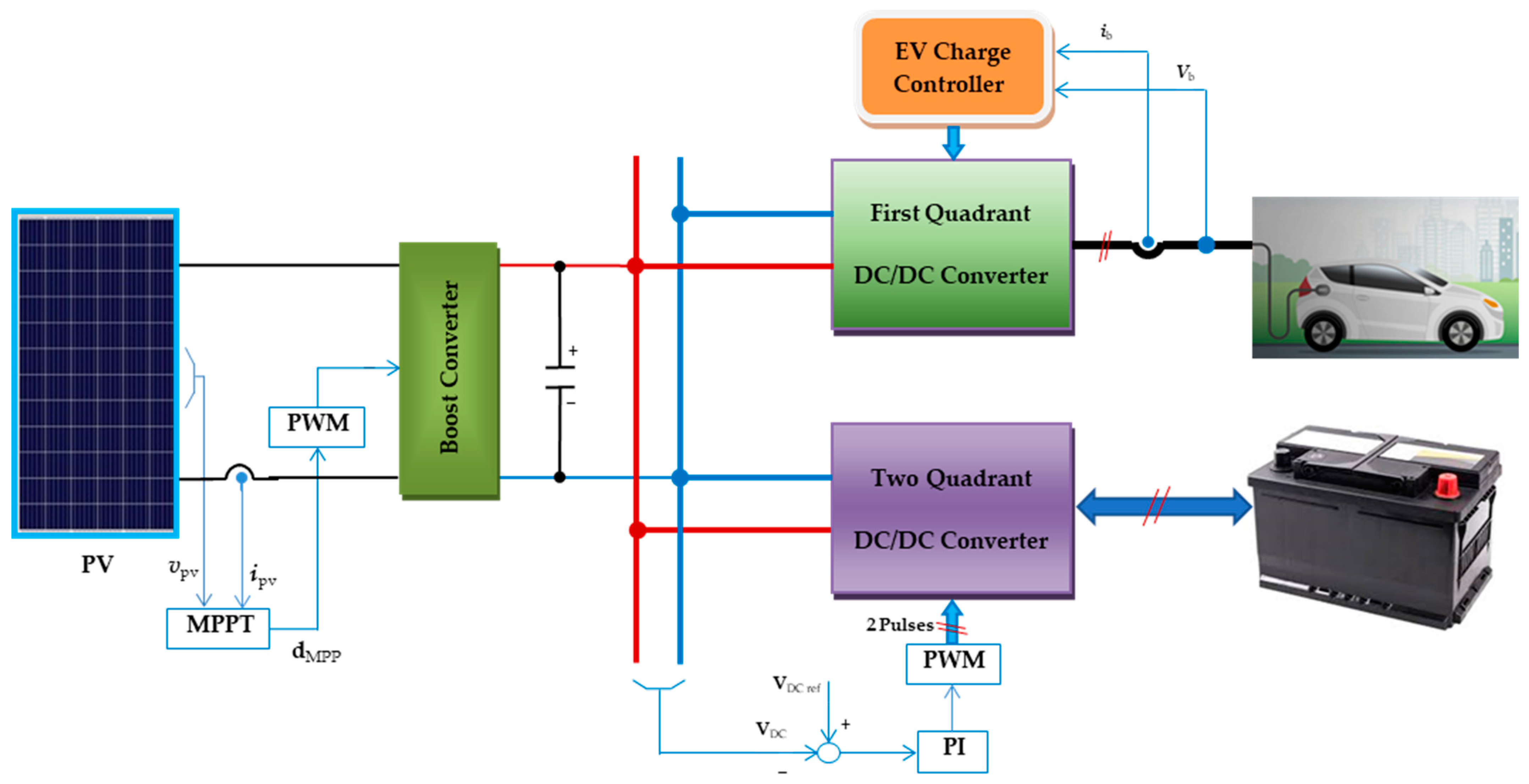
Ev Charger Circuit Diagram