Understanding the Dance of Earth, Sun, and Moon: A Comprehensive Guide
In this guide you will learn how the Sun, Earth, and Moon interact with one another, the mechanics behind their orbits, and how these celestial bodies influence life and culture across Asia. By the end you will be able to explain the basic principles of celestial mechanics, identify key features in diagrammatic representations, and appreciate the rich cultural symbolism that surrounds these astronomical objects.
The Solar System at a Glance
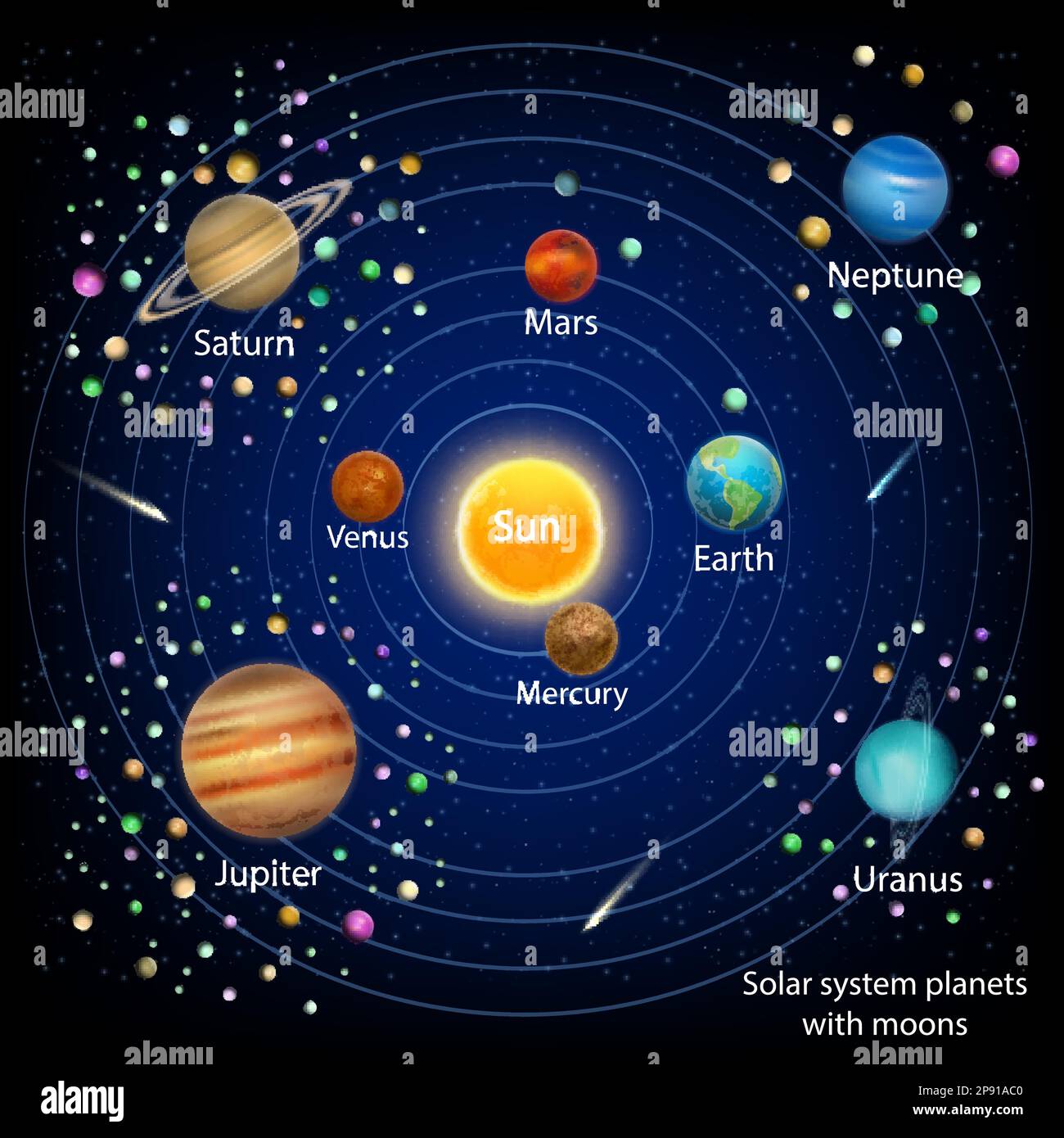
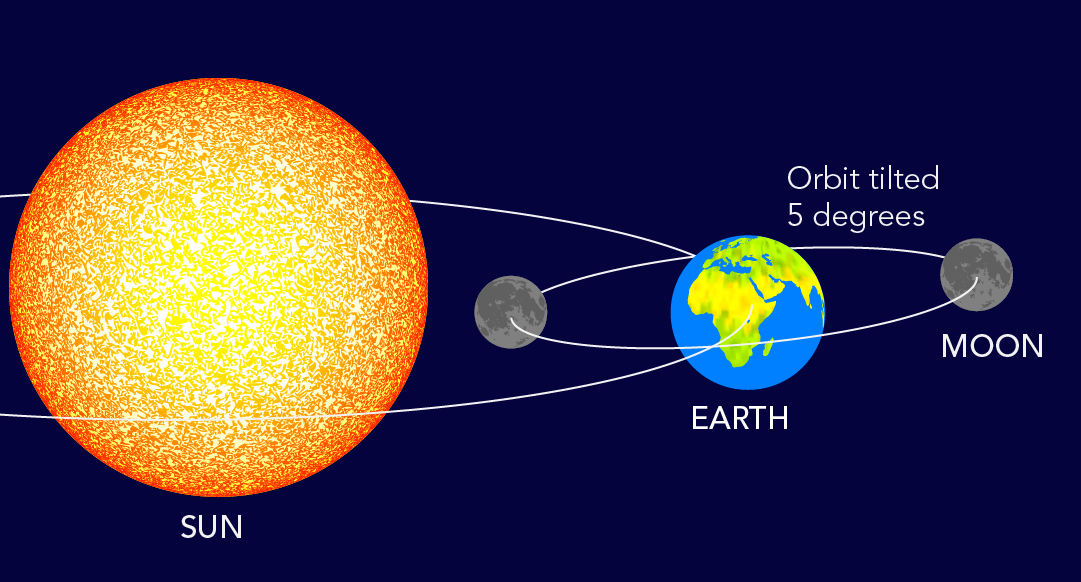
Our solar system is a harmonious system where the Sun, at its center, exerts a gravitational pull that keeps the planets in their orbits. Earth occupies a special position, hosting life, while the Moon, Earth’s natural satellite, adds a rhythmic dance to the sky. A clear diagram can help visualize this interplay.

The Sun: Heart of Our System
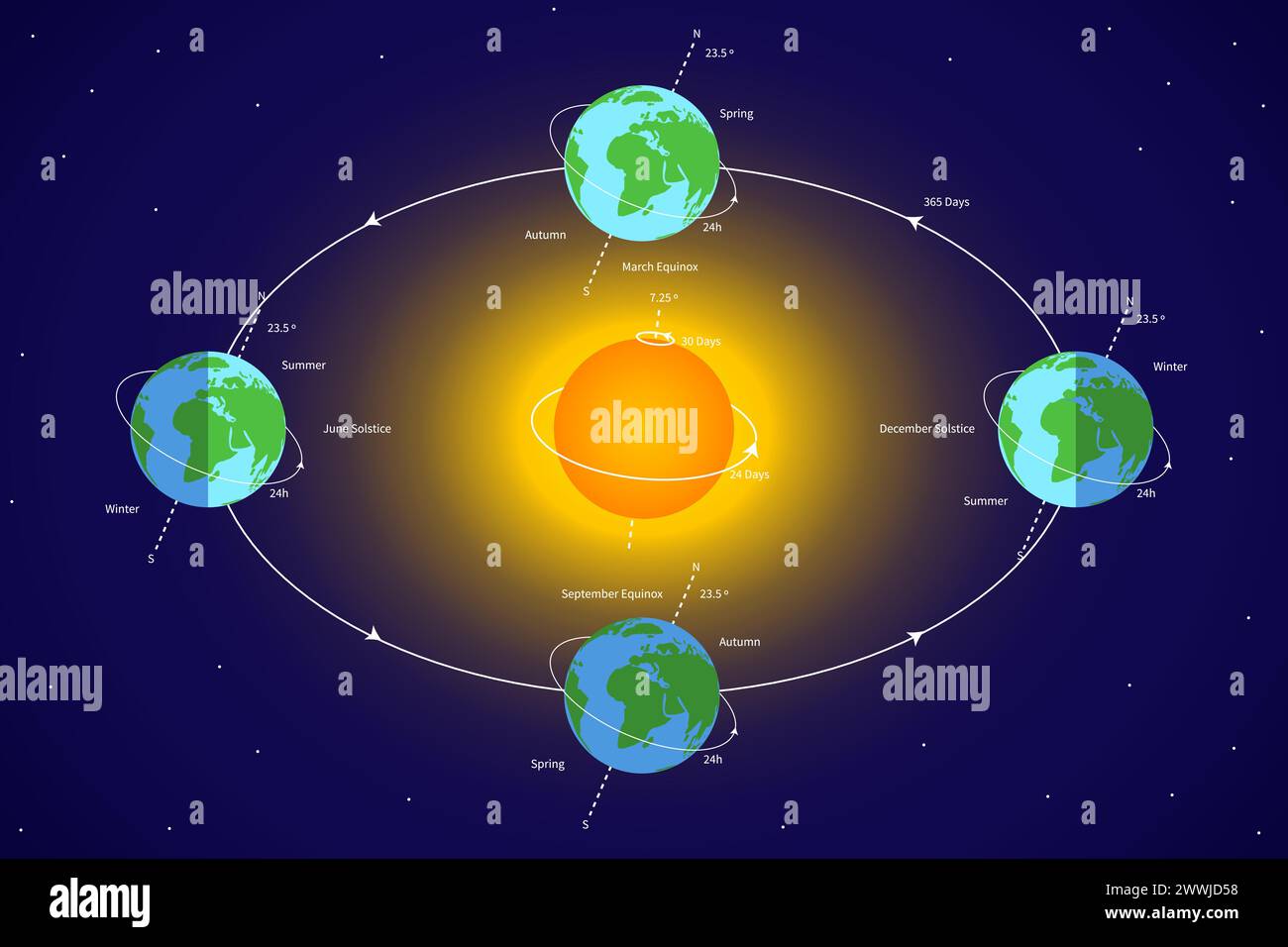
The Sun is a G-type main-sequence star that provides the energy necessary for life. Its immense gravity keeps the planets in stable orbits. In an Asian context, the Sun is often associated with the rising of a new day, symbolizing hope and renewal. The sun’s position relative to Earth changes throughout the year, giving rise to seasons and influencing agricultural practices.
Earth: The Blue Jewel
Earth’s orbit around the Sun is slightly elliptical, with a period of one year. The planet’s axial tilt of approximately 23.5 degrees causes the seasonal variations that are crucial for the diverse ecosystems found across Asia, from the Himalayan alpine flora to the monsoon‑dependent rice paddies of Southeast Asia.
The Moon: Earth’s Loyal Companion
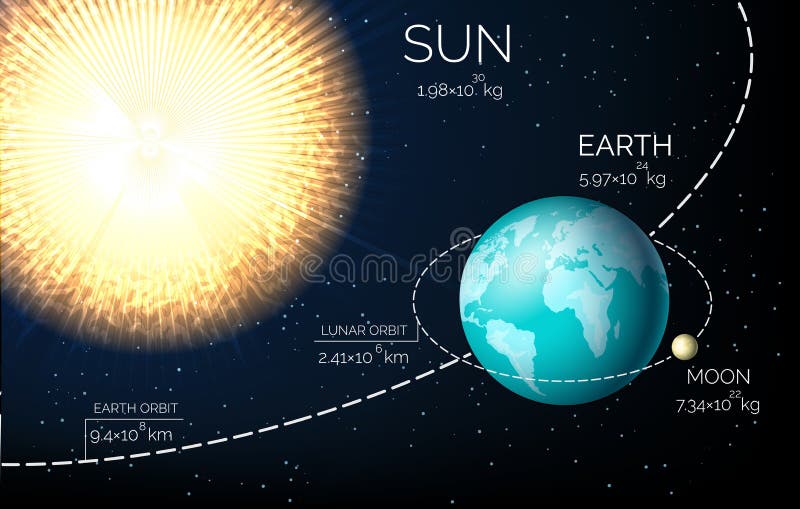
The Moon orbits Earth every 27.3 days, and its phases are determined by its changing position relative to the Sun. The Moon’s gravitational pull is responsible for tidal rhythms that have guided fishing communities and coastal agriculture throughout Asian history. The lunar calendar, still used in many cultures, reflects the Moon’s phases in ritual observances and festivals.
Orbital Mechanics & Interplay
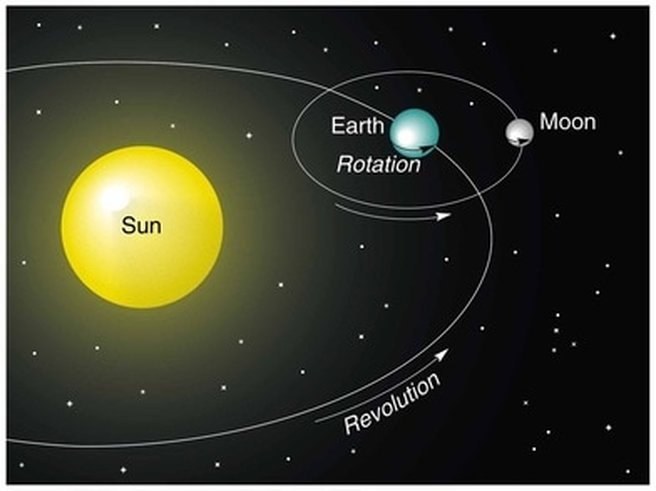
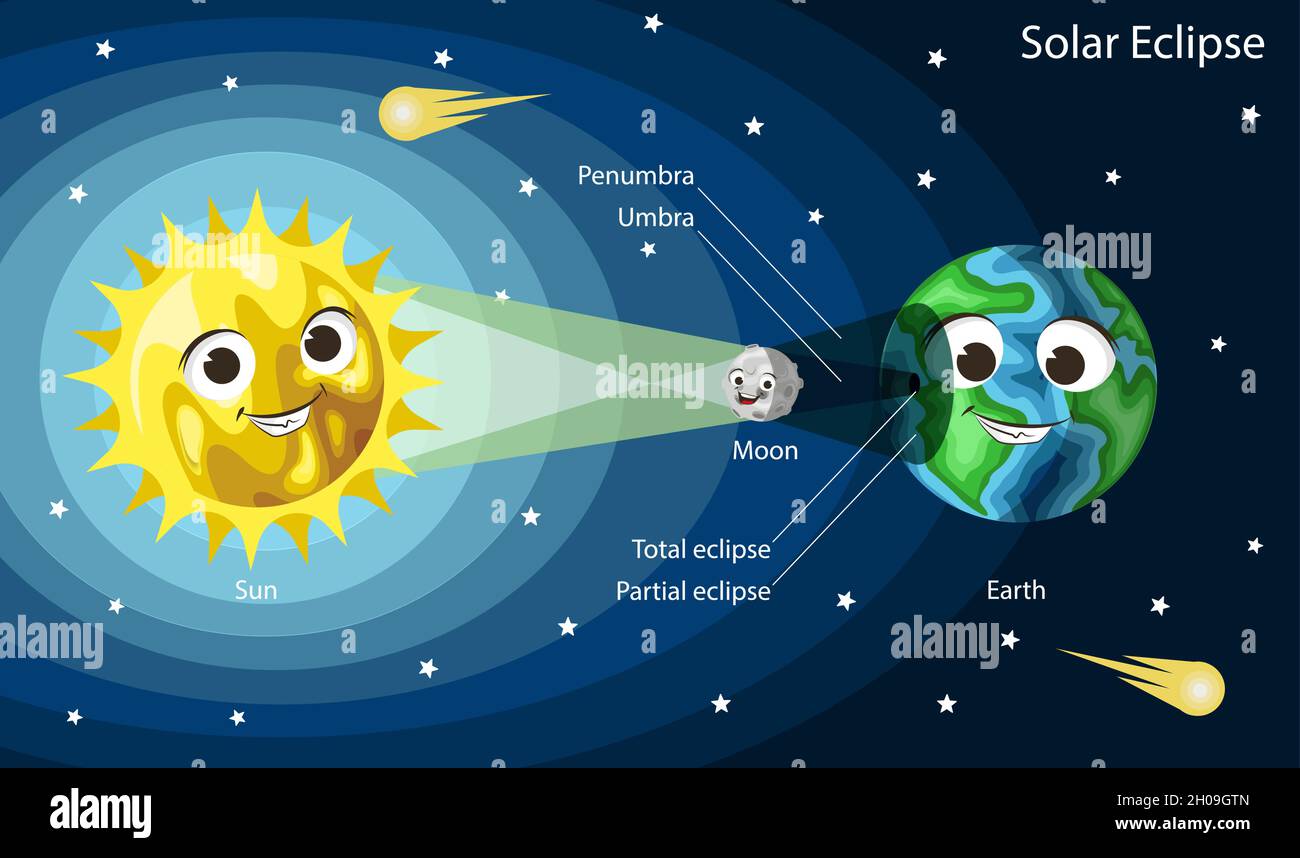
When Earth orbits the Sun, the Moon simultaneously orbits Earth. The result is a complex but predictable system where the Moon’s orbit is inclined about 5 degrees relative to the ecliptic plane. This inclination is why we rarely witness total solar eclipses; the Moon’s shadow usually misses Earth. A simplified diagram can illustrate this relationship.

Observing the Sun, Earth, and Moon
To observe these celestial bodies safely, use a pair of solar filters when viewing the Sun. For the Moon, simple binoculars can reveal maria and highlands. During a lunar eclipse, Earth’s shadow can be captured by a camera with a long exposure. These observations reinforce the concepts discussed in the diagrams and provide a tactile connection to celestial mechanics.
Cultural Significance Across Asia
Asian cultures have long revered the Sun and Moon. In Japan, the symbol of the rising Sun (Hinomaru) represents national pride. In India, the Sun god Surya and the Moon god Chandra feature prominently in mythology and calendar systems. These cultural narratives often intertwine with astronomical observations, demonstrating how science and tradition can coexist harmoniously.
Educational Uses and Activities
Teachers and parents can use the provided diagrams to craft interactive lessons. Simple craft projects, such as building a model with a string for Earth’s orbit and a smaller loop for the Moon’s orbit, help students grasp the spatial relationships. Additionally, charting lunar phases over a month encourages observational science and data recording.
Conclusion
The dance of Earth, Sun, and Moon is a timeless performance that governs both the natural world and human culture. By studying the diagrams and understanding the underlying physics, we gain insights into why the seasons change, why tides rise, and why festivals align with lunar phases. Whether you are an educator, a student, or simply a curious observer, this guide offers a comprehensive understanding of the celestial mechanics that shape life in Asia and beyond.
Interplay Sun Earth Moon Diagram Vector: Ilustración De Stock

Interplay Sun Earth Moon Diagram Vector: ilustración de stock ...
Earth And Sun And Moon Diagram

Earth And Sun And Moon Diagram
Earth And Sun And Moon Diagram

Earth And Sun And Moon Diagram
Earth And Sun And Moon Diagram

Earth And Sun And Moon Diagram
Diagram Showing The Sun And Moon And Their Alignments To Produce Neap

Diagram showing the Sun and Moon and their alignments to produce neap ...
Earth And Sun And Moon Diagram

Earth And Sun And Moon Diagram
Earth Sun And Moon Labelling Diagram

Earth Sun And Moon Labelling Diagram
Earth Orbit Sun Moon Diagram Hi-res Stock Photography And Images - Alamy
Earth orbit sun moon diagram hi-res stock photography and images - Alamy
Earth Sun And Moon Orbit Diagram

Earth Sun And Moon Orbit Diagram
Earth And Moon To Scale

Earth And Moon To Scale
Earth And Sun Earth/Sun/Moon Earth Science Review

Earth And Sun Earth/Sun/Moon Earth Science Review
Earth And Sun And Moon Diagram

Earth And Sun And Moon Diagram
Earth Orbit Sun Diagram Hi-res Stock Photography And Images - Alamy
Earth orbit sun diagram hi-res stock photography and images - Alamy
Moon And Earth Diagram
Moon And Earth Diagram
Diagram Of The Earth And Moon Orbits

Diagram Of The Earth And Moon Orbits
Earth And Sun And Moon Diagram
Earth And Sun And Moon Diagram
Sun Moon And Earth Diagram _ Earth, Moon, Sun Diagram – DONVOJ
Sun Moon And Earth Diagram _ Earth, Moon, Sun Diagram – DONVOJ
Diagram Of Sun Earth And Moon - The Earth Images Revimage.Org

Diagram Of Sun Earth And Moon - The Earth Images Revimage.Org
Sun Moon Earth Rotation Graph Phases And Motions Of The Moon

Sun Moon Earth Rotation Graph Phases And Motions Of The Moon
Earth Sun And Moon Orbit Diagram

Earth Sun And Moon Orbit Diagram
Phases Of The Moon Diagram With Sun

Phases Of The Moon Diagram With Sun
Sun Moon Relation Diagram Quia Sun, Moon, And Earth Vocabulary

Sun Moon Relation Diagram Quia Sun, Moon, And Earth Vocabulary
Sun Earth Moon Diagram
Sun Earth Moon Diagram
Sun Earth Moon Orbit Model

Sun Earth Moon Orbit Model
Earth Orbiting The Sun Diagram

Earth Orbiting The Sun Diagram
Earth, Moon And Sun System | Illustration Used In Siyavula G… | Flickr

Earth, Moon and Sun system | Illustration used in Siyavula G… | Flickr
Illustration Of Sun, Earth, And Moon System Orbital Paths Stock

Illustration of Sun, Earth, and Moon System Orbital Paths Stock ...