Hilarious Guide to Double Fertilization in Angiosperms: Diagram Explained
Ever wondered what goes on inside a flower that looks like a tiny science fair project? In this guide, you’ll learn the inner workings of double fertilization in angiosperms, the secret sauce that makes seeds, fruits, and a lot of botanical drama possible. We’ll break it down step by step, sprinkle in some humor, and throw in a couple of awesome diagrams so you can see the action for yourself.
What’s Double Fertilization, Anyway?
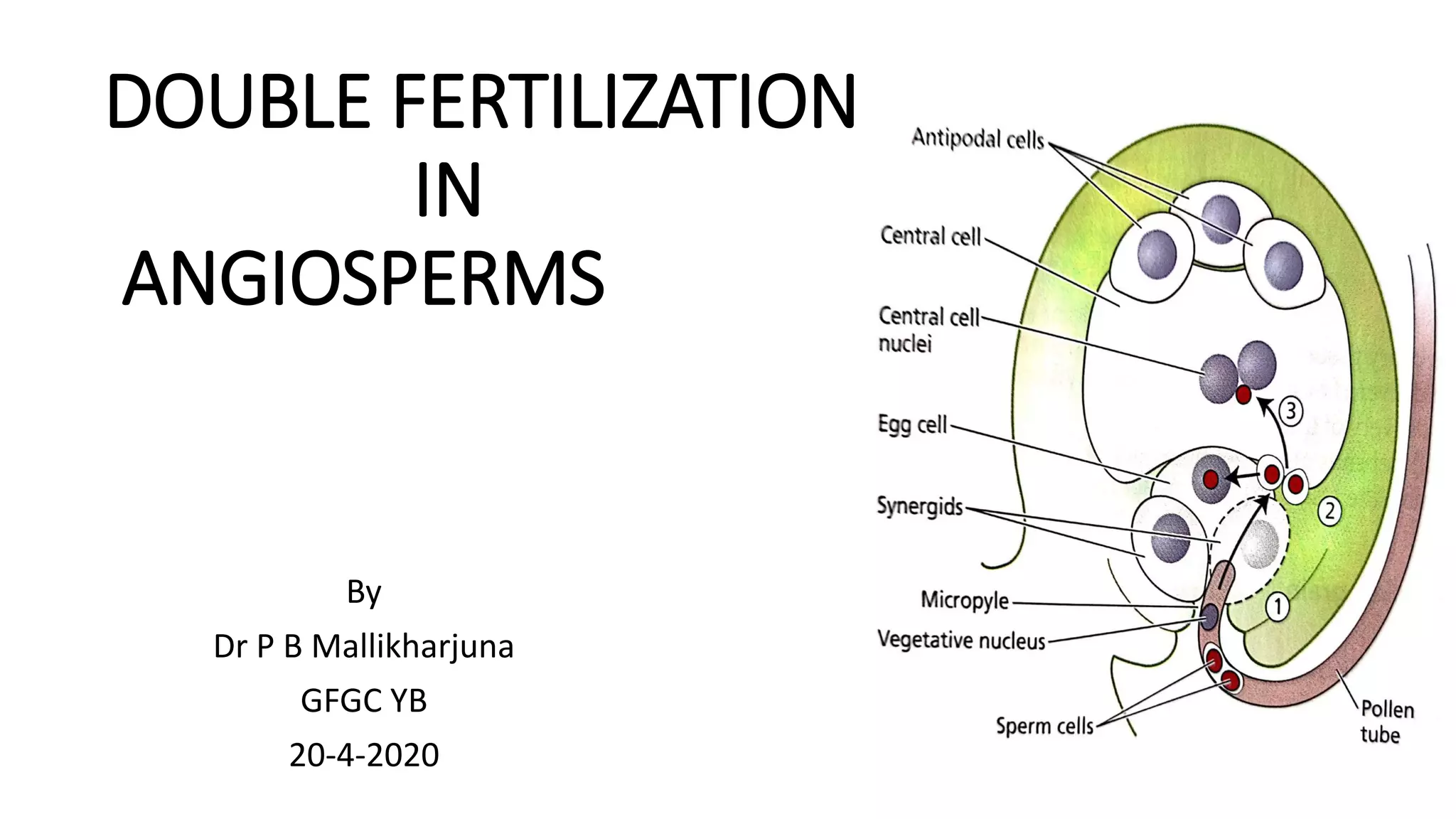
Double fertilization is the fancy term for the two simultaneous “marriages” that happen inside the ovule of a flowering plant. Think of it as a double rom‑com where two sperm cells, each with their own destiny, meet a female cell that’s ready to play matchmaker. One sperm fertilizes the egg, creating the embryo. The other sperm fertilizes the polar nuclei, forming the endosperm, which acts like a nutrient-rich snack bar for the developing embryo.
While it might sound like a science‑fiction plot, it’s a natural process that’s evolved over millions of years to maximize reproductive efficiency. And no, it doesn’t involve actual double‑trouble parties—though the pollen tube does get a bit dramatic.
The Key Characters in the Plant Kingdom’s Love Story
Meet the cast:
- Male gametophyte (pollen grain) – A tiny, pollen-packed traveler armed with two sperm cells.
- Female gametophyte (embryo sac) – The cozy nest with one egg cell and two polar nuclei.
- Pollen tube – The delivery truck that brings the sperm to the ovule.
- Egg cell – The ultimate prize, destined to become the embryo.
- Polar nuclei – The sidekicks that will join forces with one sperm to form endosperm.
All of these characters come together in a tightly choreographed dance that culminates in the creation of a seed.
Pollen Tube Party: The Arrival of the Sperm Squad
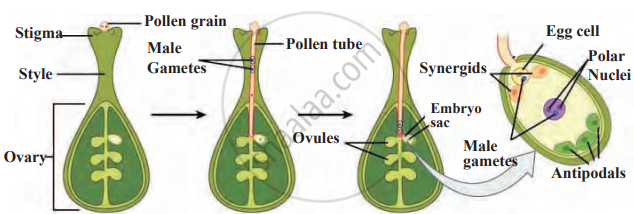
When a pollen grain lands on the stigma of a flower, it germinates and sends out a pollen tube like a microscopic worm that burrows through the style toward the ovary. The pollen tube is guided by chemical signals—like a GPS for the sperm. Inside the tube, two sperm cells wait in line to make their grand entrance.
This journey isn’t just a boring trip; it’s a race against time because the female gametophyte has a limited window for fertilization. Think of it as the “open window” of a secret handshake. The pollen tube has to break through the ovular wall, penetrate the micropyle, and deliver its cargo into the embryo sac.

Here’s a clear visual of that whole process—picture a tiny tube with two little sperm cells heading toward the heart of the ovule.
The Double Deal: Two Sperm, One Egg, One Polar Nucleus
Once inside the embryo sac, the sperm cells get to do their thing. One sperm fuses with the egg cell, forming a diploid zygote that will become the embryo. The other sperm fuses with the two polar nuclei, creating a triploid cell that develops into the endosperm. This is why angiosperms are often called “double fertilized”—they literally get two fertilizations for one ovule.
The timing here is critical. If the first sperm fuses too early or the second one misses its mark, the whole seed development can go awry. The plant’s cellular machinery has evolved to keep this sequence in perfect order, ensuring that the resulting seed has both an embryo and the necessary nourishment.
Step 3: Embryo and Endosperm – The Real Power Couple
Once fertilization is complete, the zygote divides and grows into the embryo, while the endosperm expands into a nutrient-rich tissue. In many species, the endosperm remains triploid and is a crucial food source for the developing seedling. Think of it like the plant’s version of a prenatal meal plan.
During this stage, the embryo sac’s central cells differentiate into various tissues, and the surrounding integuments become the seed coat, protecting the precious cargo. The entire process is a testament to the plant’s ability to orchestrate complex developmental programs using a handful of cells.
Animated Breakdown: The Double Fertilization GIF
For those who prefer motion to static, here’s a quick animated snapshot of the whole process. It’s a fun way to see the sperm cells in action and get a sense of how everything moves inside the ovule.

Notice how the sperm cells dart toward their targets—fast, efficient, and surprisingly elegant.
Fun Facts That Will Make You Reassure Yourself About Your Own Fertilization
- The pollen tube’s tip is the fastest-growing part of the plant—up to 0.5 mm per day!
- Some plants can store sperm within the pollen grain for months before fertilization.
- Double fertilization ensures that the endosperm is always rich in nutrients, giving seedlings a better shot at survival.
- Not all plants do double fertilization—bryophytes, ferns, and gymnosperms have different reproductive strategies.
Conclusion
Double fertilization in angiosperms is a marvel of evolutionary engineering, combining precision, timing, and a dash of botanical romance. From the pollen tube’s perilous journey to the simultaneous union of sperm cells with egg and polar nuclei, every step is choreographed to produce a seed that contains both genetic information and nourishment. Armed with the diagrams above, you can now appreciate the complexity—and humor—behind this vital process. So next time you look at a seed, remember the double dance that brought it into existence!
Double Fertilization In Angiosperms | Overview & Pollination - Lesson

Double Fertilization in Angiosperms | Overview & Pollination - Lesson ...
What Is Double Fertilization

What Is Double Fertilization
Double Fertilization: Process & Significance - GeeksforGeeks

Double Fertilization: Process & Significance - GeeksforGeeks
DOUBLE FERTILIZATION IN ANGIOSPERMS | PDF
DOUBLE FERTILIZATION IN ANGIOSPERMS | PDF
Double Fertilization In Angiopserms | PPTX

Double fertilization in angiopserms | PPTX
Explain The Diagram Of Double Fertilization In Plants Shown In The Image,..

Explain the diagram of double fertilization in plants shown in the image,..
Double Fertilization - Process & Significance Of Double Fertilization

Double Fertilization - Process & Significance Of Double Fertilization
38 Double Fertilization Diagram

38 double fertilization diagram
How Does The Double Fertilization Endosperm Development And Embryo

How Does The Double Fertilization Endosperm Development And Embryo ...
38 Double Fertilization Diagram

38 double fertilization diagram
Double Fertilization Vector Illustration Complex Fertilization Stock

Double Fertilization Vector Illustration Complex Fertilization Stock ...
How Does Double Fertilization Occur In Angiosperms At David Reiser Blog

How Does Double Fertilization Occur In Angiosperms at David Reiser blog
Double Fertilization, Definition, Process In Plant & Humans, Diagram

Double Fertilization, Definition, Process in Plant & Humans, Diagram
1: Double Fertilization Mechanism In Angiosperms. (A) Following

1: Double fertilization mechanism in angiosperms. (A) Following ...
Angiosperm Life Cycle. Diagram Of Life Cycle Of Flowering Plant With

Angiosperm Life Cycle. Diagram of Life Cycle of Flowering Plant with ...
Fertilization In Plants – Definition, Process, Types, & Diagram
Fertilization in Plants – Definition, Process, Types, & Diagram
Botany Lab: Double Fertilization -- WOAH

Botany Lab: Double fertilization -- WOAH
Double Fertilization: Definition, Process And Significance - Testbook

Double Fertilization: Definition, Process and Significance - Testbook
Double Fertilization, Definition, Process In Plant & Humans, Diagram

Double Fertilization, Definition, Process in Plant & Humans, Diagram
Draw A Neat And Labelled Diagram. Double Fertilization In Angiosperms
Draw a neat and labelled diagram. Double fertilization in angiosperms ...
Double Fertilization - Definition, Steps, Importance, & Diagram

Double Fertilization - Definition, Steps, Importance, & Diagram
Double Fertilization And Endosperm Development In Angiosperms — Visual

Double fertilization and endosperm development in angiosperms — Visual ...
Fertilization In Angiosperms | PPTX

Fertilization in Angiosperms | PPTX
Angiosperm Life Cycle. Diagram Of Life Cycle Of Flowering Plant With

Angiosperm Life Cycle. Diagram of Life Cycle of Flowering Plant with ...