Carb‑Crazy Digestive Journey: A Hilarious Diagram Guide
Welcome aboard the gut‑ship! In this guide you’ll discover how your body turns a simple slice of bread into a burst of energy, all while you chuckle at the quirky diagrams that make the process feel less like science and more like a circus of enzymes.
1. The Digestive System: Your Internal Amusement Park
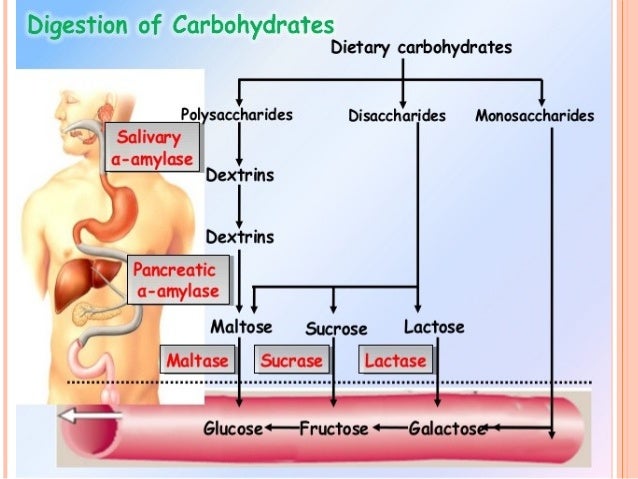
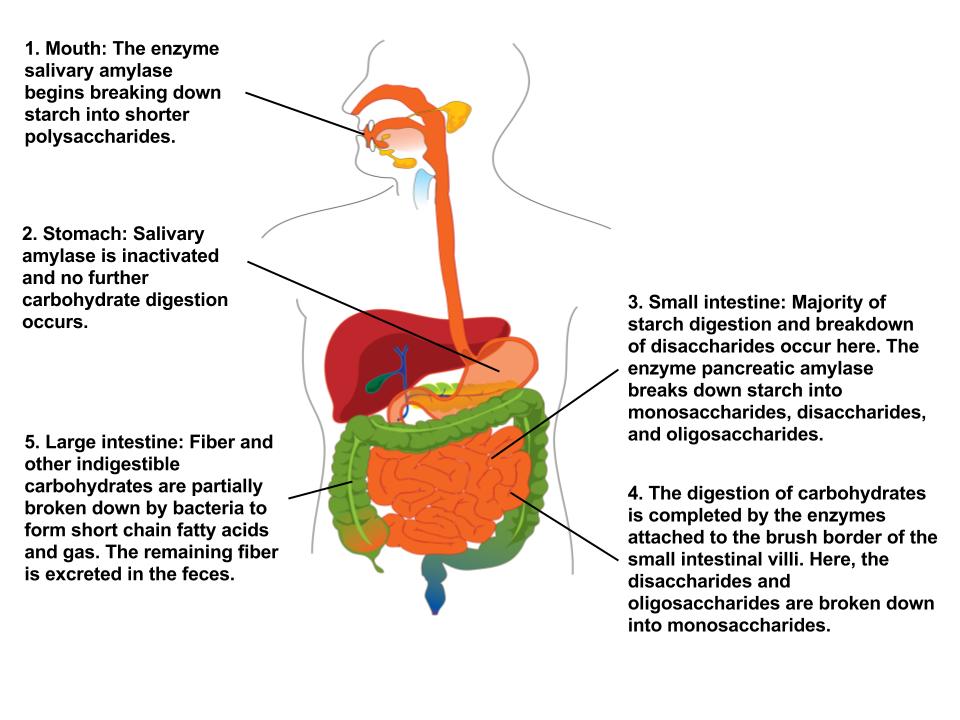
The human digestive system is a complex amusement park with rides, food courts, and a mischievous staff of enzymes. Think of your stomach as the bouncy castle and your small intestine as the endless roller coaster that never stops. The first stop is the mouth, where chewing is the popcorn‑bouncing opening ceremony. The diagram in the picture below shows the entire digestive route from the tongue to the tiny intestines.

Notice how the saliva is the first cheerleader, waving its enzymes like a baton. The image breaks down the organs like a treasure map, so you know where the fun begins and ends.
2. Carbohydrates: The Breakfast of Champions
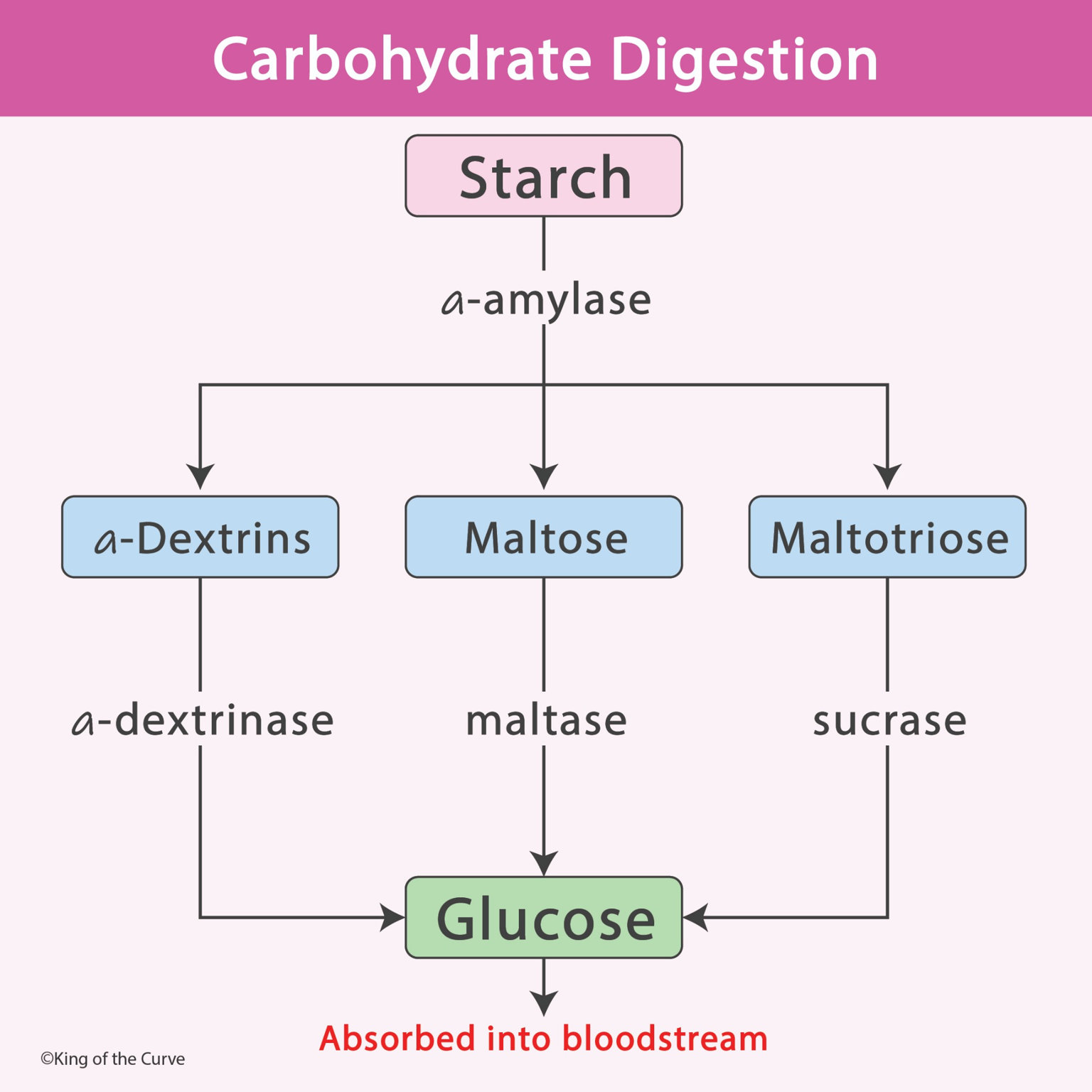
Carbohydrates are the body’s preferred snack—like the gym’s protein shakes but with a sweet twist. They’re categorized into simple sugars (glucose, fructose) and complex carbs (starches). When you bite a banana, the body starts the “carbohydrate digestion dance” right there on your tongue, courtesy of salivary amylase. This enzyme starts breaking down starch into maltose, setting the stage for the main event.
3. Mouth to Stomach: The First Act of the Digestive Show
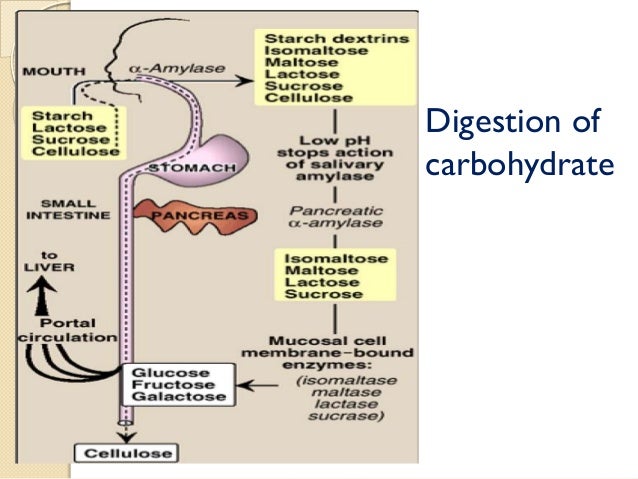
Once you swallow, the food bolus travels down the esophagus via rhythmic contractions called peristalsis. The stomach’s acidic environment (pH ~1.5-3.5) is like a harsh backstage, where pepsin begins to chew proteins. For carbs, the stomach’s role is modest; most of the action happens after the food exits into the small intestine.
4. Small Intestine: The Grand Finale
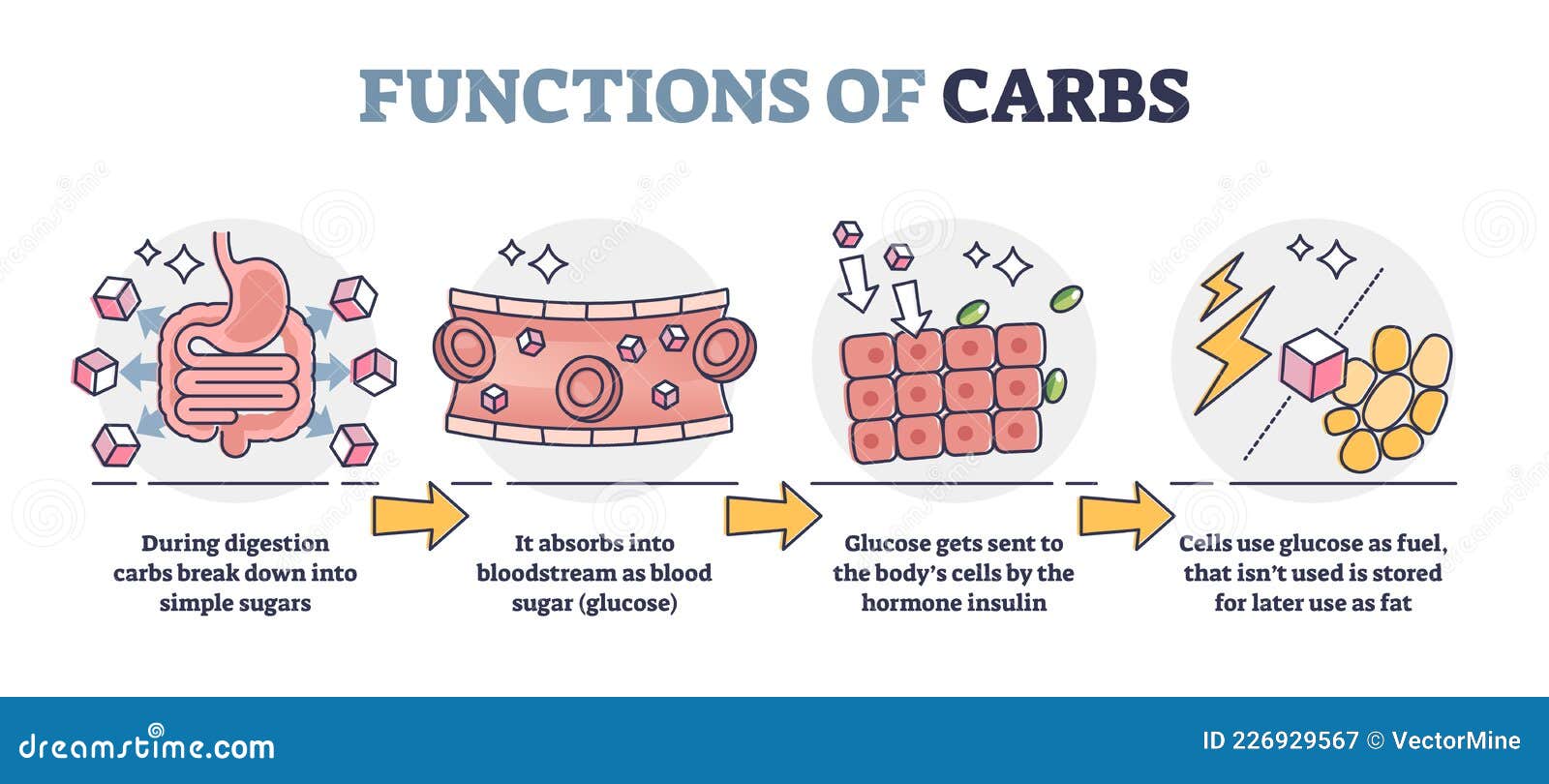
Welcome to the small intestine, the brain of digestion. Here, pancreatic amylase joins the party, continuing the breakdown of starch into maltose, maltotriose, and dextrins. The lining of the small intestine is covered with villi—tiny hair‑like projections that act as a buffet of surface area. The cells lining the villi are loaded with enzymes like maltase, sucrase, and lactase, which convert the disaccharides into glucose, fructose, and galactose, ready for absorption.
This is the point where the carbohydrate “carnival” turns into a sugar rush—glucose enters the bloodstream, fuels cells, and gives you that instant energy spike after a carb‑rich meal.
5. The Role of Fiber: The Unsung Hero
Not all carbs are created equal. Dietary fiber—found in whole grains, legumes, and veggies—passes through the stomach and small intestine mostly intact because it resists enzymatic breakdown. It plays a critical role in regulating blood sugar, supporting gut flora, and promoting regularity. Fiber is like the invisible clown that keeps the show running smoothly by preventing the sugar circus from going haywire.
6. Carbohydrate Chemistry: A Deep Dive into the PowerPoint
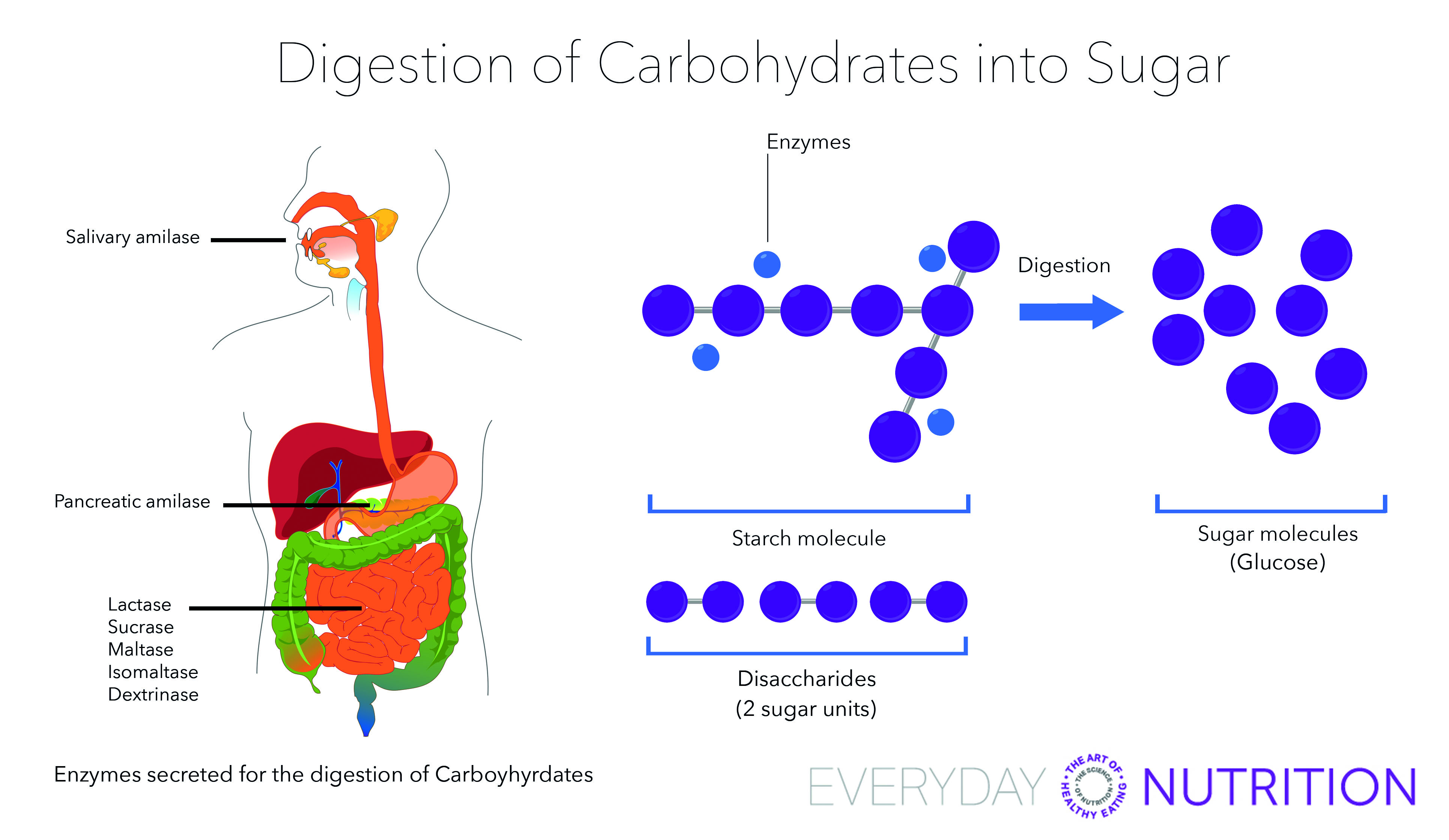
To truly appreciate the science behind the jokes, let’s look at a slide‑style deep dive into carbohydrate digestion. This PowerPoint diagram breaks the process into bite‑size chunks, illustrating each enzyme’s role and the stepwise breakdown of starch. It’s a handy visual for anyone who needs a clearer picture without the drama of a live science experiment.

From the macro‑view of the entire digestive tract to the micro‑view of individual enzymes, this diagram is the textbook equivalent of a backstage pass, showing you how your body orchestrates a sugar symphony.
7. Common Misconceptions: Debunking the Carb Myth
People often think that all carbs are bad, but that’s a myth. Complex carbs are slow‑releasing energy sources that keep you full longer, whereas simple sugars can spike and crash your blood sugar. Understanding the difference is like knowing the difference between a slow‑motion dance and a high‑speed sprint—both have their place, but only the right timing makes the show great.
Conclusion
So there you have it—a comedic yet thorough tour of how carbohydrates journey from your plate to your bloodstream, powered by a cast of enzymes and the architectural marvel that is the digestive system. Remember, the next time you enjoy a carb‑rich snack, you’re not just eating; you’re watching a high‑energy show inside your own body. Keep the laughter alive, and let your digestive system do the heavy lifting!
What Is The End Product Of Carbohydrate Digestion
What Is The End Product Of Carbohydrate Digestion
Digestion And Absorption Of Carbohydrate
Digestion and absorption of carbohydrate
Digestion And Absorption Of Carbohydrates, Proteins And Fats

Digestion and Absorption of Carbohydrates, Proteins and Fats ...
Digestionandabsorptionofcarbohydrates-120714091201-phpapp01 (1).pdf

digestionandabsorptionofcarbohydrates-120714091201-phpapp01 (1).pdf
Carbohydrate Absorption Digestion And Absorption Of Carbohydrates

Carbohydrate Absorption Digestion And Absorption Of Carbohydrates
DPT - Biochemistry & Genetics - II (Metabolism Of Carbohydrates

DPT - Biochemistry & Genetics - II (Metabolism of Carbohydrates ...
Carbohydrates Diagram

Carbohydrates Diagram
Digestion And Absorption Of Carbohydrates In Human Body

Digestion and Absorption of Carbohydrates in Human Body
Digestion And Absorption Of Carbohydrates

Digestion and Absorption of carbohydrates
A Schema For The Digestion Of Carbohydrates In Humans. Source: Reactome

A schema for the digestion of carbohydrates in humans. Source: Reactome ...
🧠 Carbohydrate Digestion Explained — King Of The Curve
🧠 Carbohydrate Digestion Explained — King of the Curve
Carbohydrate Digestion Diagram | Quizlet

Carbohydrate digestion Diagram | Quizlet
Enzymes Of Carbohydrate Digestion In The Small Intestine At Kimberly

Enzymes Of Carbohydrate Digestion In The Small Intestine at Kimberly ...
2: Digestion & Absorption Of Carbohydrates I Carbohydrates Metabolism

2: Digestion & Absorption of Carbohydrates I Carbohydrates Metabolism ...
Carbohydrates Diagram
Carbohydrates Diagram
Digestion Of Carbohydrates Diagram | Quizlet

digestion of carbohydrates Diagram | Quizlet
Diagram Of Digestion Of Carbohydrates, Proteins And Lipids | Quizlet

Diagram of Digestion of Carbohydrates, proteins and lipids | Quizlet
Digestion And Absorption Of Carbohydrates – Human Nutrition
Digestion and Absorption of Carbohydrates – Human Nutrition
Human Digestive System And Digestion Of Carbohydrates Human Digestive

Human Digestive System And Digestion Of Carbohydrates Human Digestive
4.2: Digestion And Absorption Of Carbohydrates – PCCY

4.2: Digestion And Absorption Of Carbohydrates – PCCY
Digestion Of Carbohydrates Chyme | Digestion, Gastric Juices, Stomach
Digestion Of Carbohydrates Chyme | Digestion, Gastric Juices, Stomach
The Process Of Carbohydrate Digestion Quizlet At Rita Ware Blog

The Process Of Carbohydrate Digestion Quizlet at Rita Ware blog