Sand & Water Filtration Diagram Explained: A Practical Guide for Asian Communities
In this guide you’ll discover how sand filtration works, step by step, and learn how to design, implement, and maintain an efficient filtration system. From the science behind the process to real‑world applications in urban stormwater management, this article covers every aspect you need to know.
Understanding the Core Principles
Sand filtration is one of the oldest and most reliable methods for purifying water. It relies on a combination of physical and biological mechanisms to remove contaminants:
- Physical Straining: The granular sand traps suspended solids, preventing them from passing through.
- Biological Layer: A thin film of microorganisms called the schmutzdecke consumes organic matter, further reducing turbidity.
- Chemical Interaction: Certain minerals in the sand can adsorb dissolved pollutants such as iron or manganese.
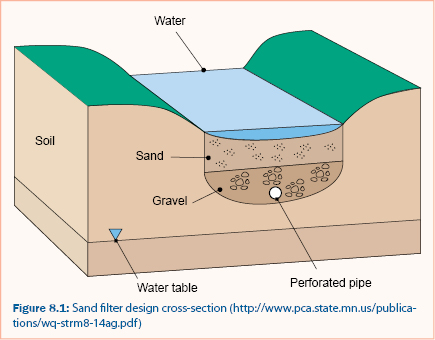
Typical Layer Configuration
A conventional sand filter is constructed from several distinct layers, each with a specific role:
- Coarse Gravel Bed: The bottom layer, usually 4–6 cm thick, provides structural support and facilitates drainage.
- Fine Sand Layer: The main filtering medium, 10–15 cm thick, with particle sizes around 0.5–1.0 mm.
- Optional Coarse Sand or Silica Layer: Above the fine sand, this layer captures any remaining coarse particles and protects the fine sand from abrasion.
- Water Surface: A shallow pool where water spreads and the schmutzdecke develops.

Designing for Local Conditions
When planning a sand filtration system, consider these factors:
- Water Quality: High turbidity or organic load requires a larger fine sand volume.
- Climate: In humid regions, faster biological activity means the schmutzdecke forms more quickly, but also that it can be more susceptible to temperature variations.
- Land Availability: Compact designs use vertical flow systems, while larger rural sites can accommodate horizontal flow.
- Maintenance Resources: Systems with easy access to replace or clean the top layer reduce long‑term labor.
Construction Steps
- Excavate a trench or pit to the required depth.
- Lay the coarse gravel at the base and compact it.
- Add the fine sand layer, ensuring even distribution.
- Install a filter media cover (e.g., a permeable membrane or a perforated plate) to keep the sand in place while allowing water to percolate.
- Construct a shallow basin at the top for water spreading.
- Install inlet and outlet pipes; the outlet is usually at a lower elevation to create a slight slope for gravity flow.
Operational Guidelines
Effective operation hinges on proper flow rates and regular monitoring.
- Flow Rate: Keep the hydraulic loading rate between 0.1–0.3 m³ h⁻¹ m⁻² to avoid excessive velocity that bypasses the filter.
- Backwashing: Periodically reverse water flow to dislodge trapped solids. In many Asian communities, this is done manually using a high‑pressure hose.
- Chemical Treatment: In cases of high iron or manganese, a mild oxidizer can be added before filtration.
Maintenance Practices
Routine checks keep the system running smoothly.
- Inspect for surface crust buildup and scrape if necessary.
- Measure turbidity and total suspended solids (TSS) to gauge filter efficiency.
- Replace or clean the coarse gravel bed every 2–3 years if clogging occurs.
- Check the schmutzdecke for healthy growth; a yellow or green film indicates good activity.
Applications in Asian Urban and Rural Settings
From small village wells to municipal stormwater treatment, sand filters provide flexible solutions.
- Stormwater Management: In cities like Jakarta or Bangkok, sand filters reduce runoff pollution before water enters rivers.
- Drinking Water Purification: Rural households often use simple sand filters to treat tap water or well water.
- Industrial Effluent: Certain textile factories use sand filtration to lower color and suspended solids before discharge.
Environmental Benefits
Sand filtration is low‑energy, renewable, and produces minimal waste. It supports local ecosystems by reducing sediment loads in waterways, which benefits fish spawning and aquatic plant growth.
Safety and Regulatory Considerations
While the system is inherently safe, keep the following in mind:
- Ensure proper structural stability to avoid collapse during heavy rain.
- Use food‑grade materials if the water is destined for drinking.
- Adhere to local water quality standards; obtain permits where required.
Conclusion
Sand filtration is a time‑tested, cost‑effective technology that can be adapted to diverse Asian settings—from the narrow streets of Singapore to the sprawling rice paddies of Vietnam. By understanding its layers, designing appropriately for local conditions, and committing to regular maintenance, communities can harness this natural process to deliver cleaner, safer water while protecting the environment. Start with a small prototype, monitor performance, and expand as confidence grows. Your efforts today will yield cleaner rivers, healthier homes, and a stronger future for generations to come.
Filtration Diagram Sand And Water
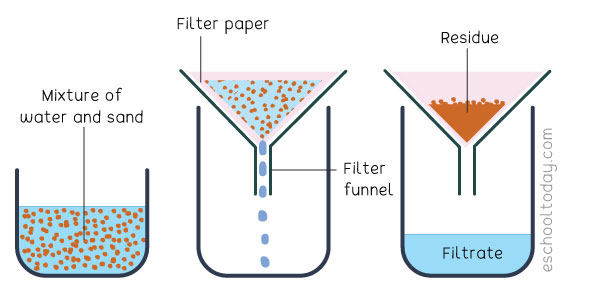
Filtration Diagram Sand And Water
The Science Behind The Filtration Process: Unveiling The Diagram Of

The Science Behind the Filtration Process: Unveiling the Diagram of ...
Silica And Moulding Sands Association (SAMSA) Part Of The Mineral

Silica and Moulding Sands Association (SAMSA) part of the Mineral ...
Filtration Diagram Sand And Water
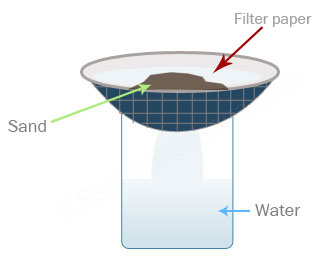
Filtration Diagram Sand And Water
Sand And Water Filtration Diagram
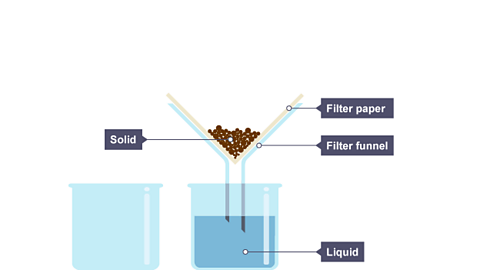
Sand And Water Filtration Diagram
Sand And Water Filtration Diagram

Sand And Water Filtration Diagram
Sand And Water Filtration Diagram

Sand And Water Filtration Diagram
Sand And Water Filtration Diagram

Sand And Water Filtration Diagram
Sand And Water Filtration Diagram
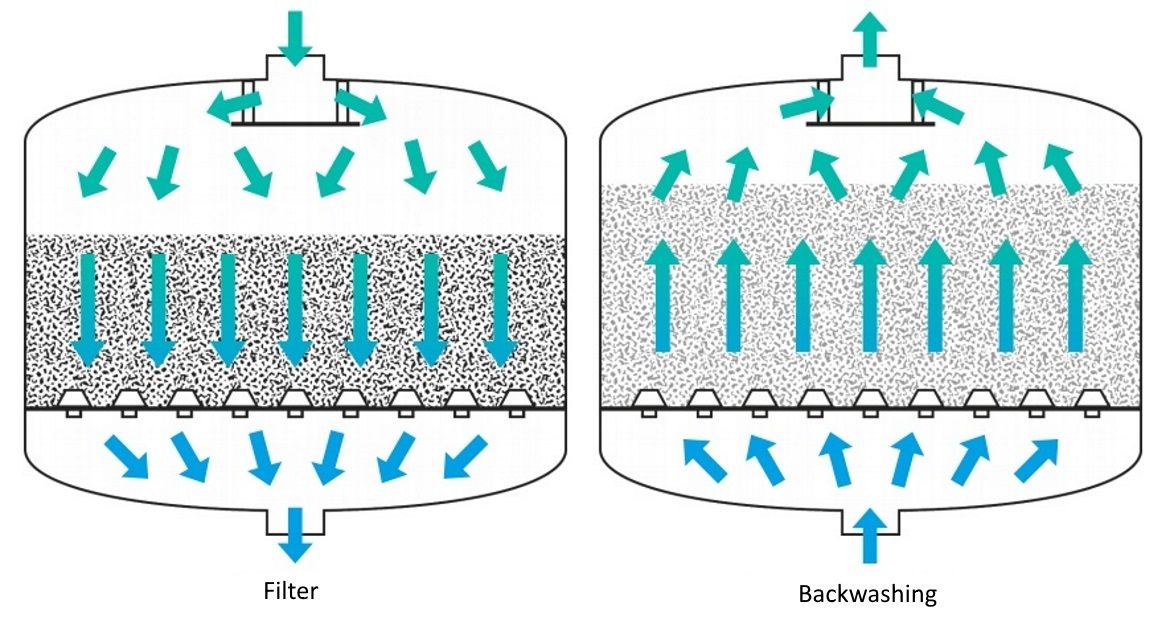
Sand And Water Filtration Diagram
Sand And Water Filtration Diagram

Sand And Water Filtration Diagram
Sand And Water Filtration Diagram
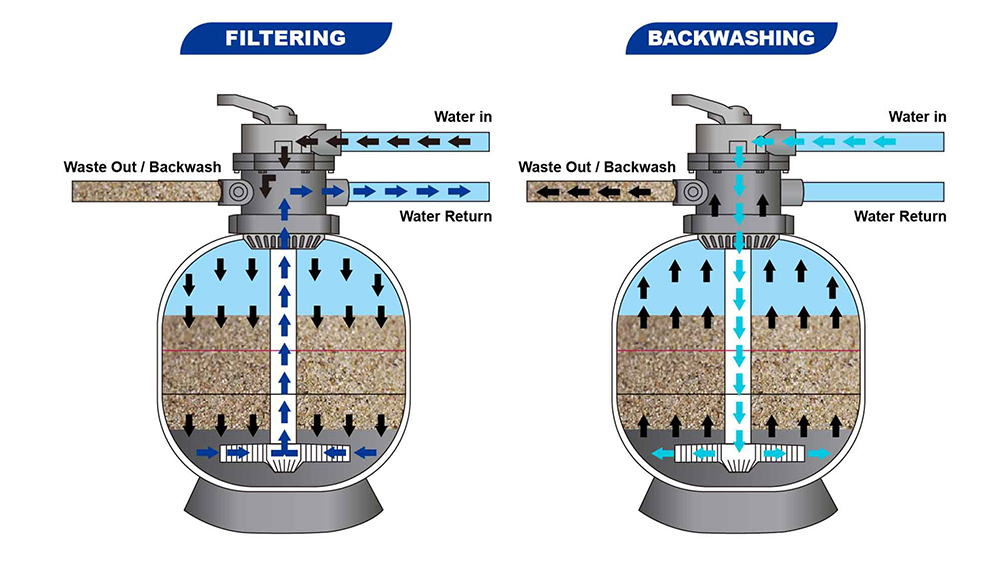
Sand And Water Filtration Diagram
Sand And Water Filtration Diagram

Sand And Water Filtration Diagram
Sand And Water Filtration Diagram

Sand And Water Filtration Diagram
Sand Filtration: Over 172 Royalty-Free Licensable Stock Illustrations

Sand Filtration: Over 172 Royalty-Free Licensable Stock Illustrations ...
The Inner Workings Of Rapid Sand Filters: Explained With A Diagram

The Inner Workings of Rapid Sand Filters: Explained with a Diagram
Sand And Water Filtration Experiment At Yolanda Connie Blog

Sand And Water Filtration Experiment at Yolanda Connie blog
Sand And Water Filtration Diagram

Sand And Water Filtration Diagram
Filtration Of Water Explanation

Filtration Of Water Explanation
DIY Water Filter Diagram Showing Layers Of Sand And Charcoal For
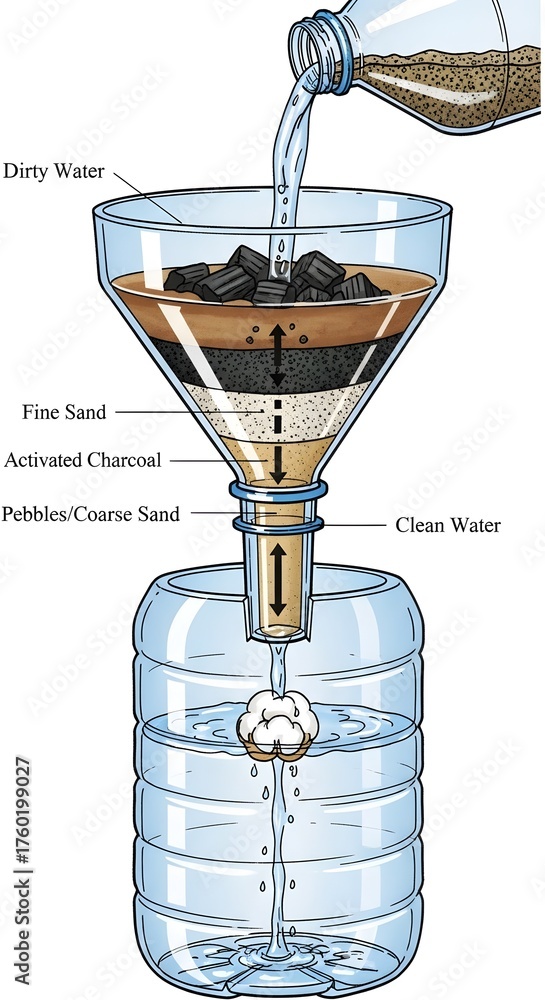
DIY Water Filter Diagram Showing Layers of Sand and Charcoal for ...
Sand And Water Filtration Diagram

Sand And Water Filtration Diagram
A Visual Breakdown Of Rapid Sand Filtration

A visual breakdown of rapid sand filtration
Filtration Diagram Sand And Water
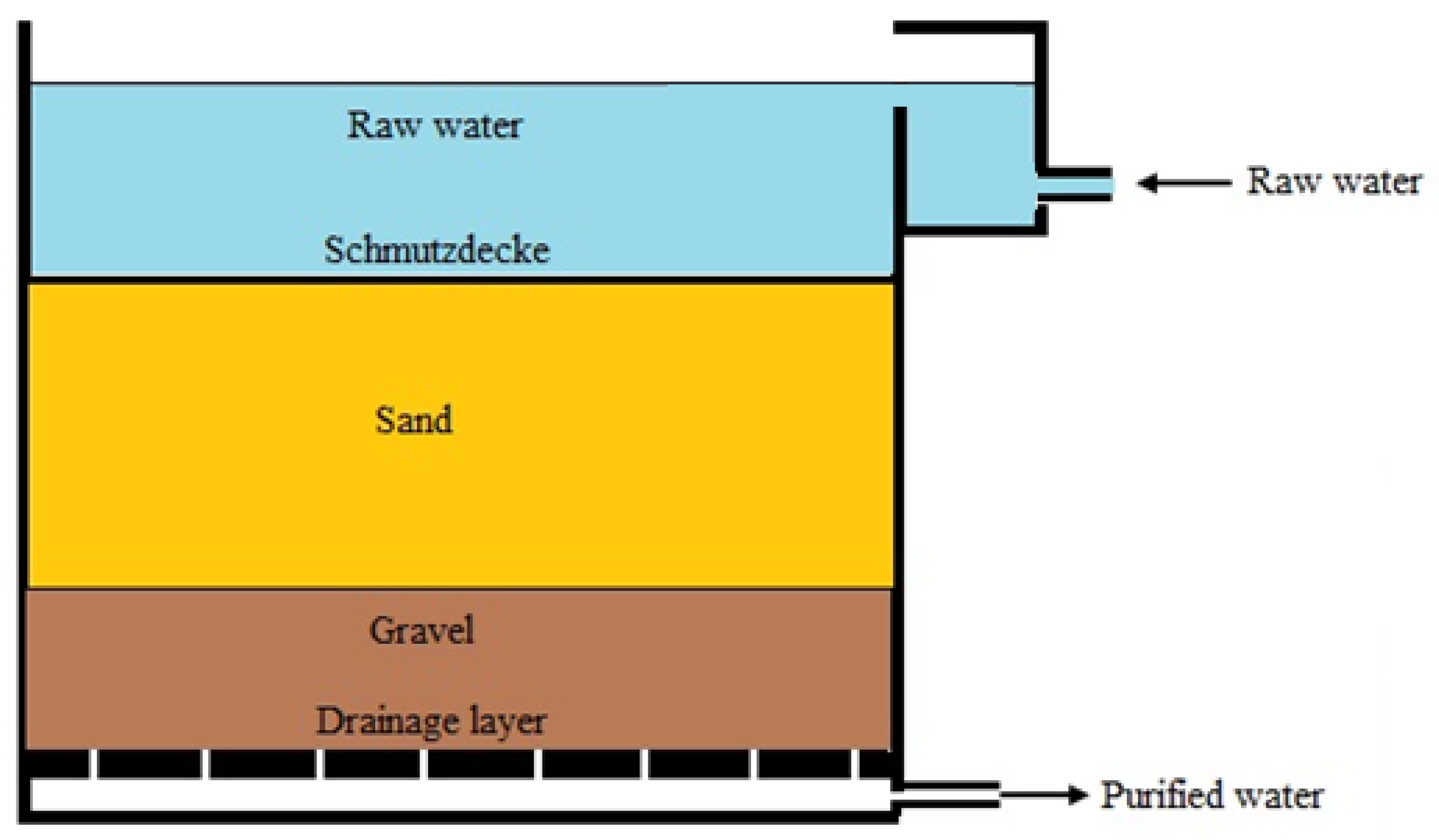
Filtration Diagram Sand And Water
Sand And Water Filtration Diagram
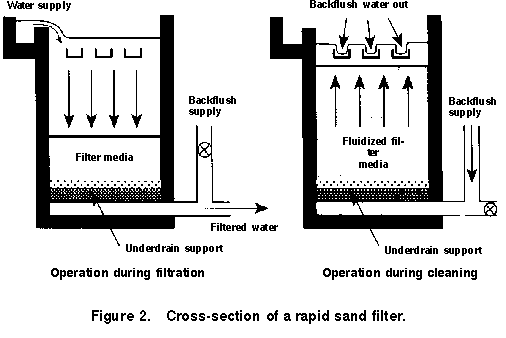
Sand And Water Filtration Diagram
Filtration Diagram Sand And Water

Filtration Diagram Sand And Water
Figure 1 From Two Models Of Household Sand Filters For Small Scale

Figure 1 from Two Models of Household Sand Filters for Small Scale ...
The Science Behind The Filtration Process: Unveiling The Diagram Of

The Science Behind the Filtration Process: Unveiling the Diagram of ...