Asian Sugarcane Diagram Guide: Anatomy & Growth Insights
In this guide you’ll discover the detailed anatomy of sugarcane, illustrated with clear diagrams, and learn how each part functions in the crop’s growth and harvest. Whether you’re a farmer, agronomist, or plant enthusiast, the article will walk you through the stem, leaf, root, and reproductive structures, and explain how they adapt to Asian tropical and subtropical environments.
Overview of Sugarcane Anatomy
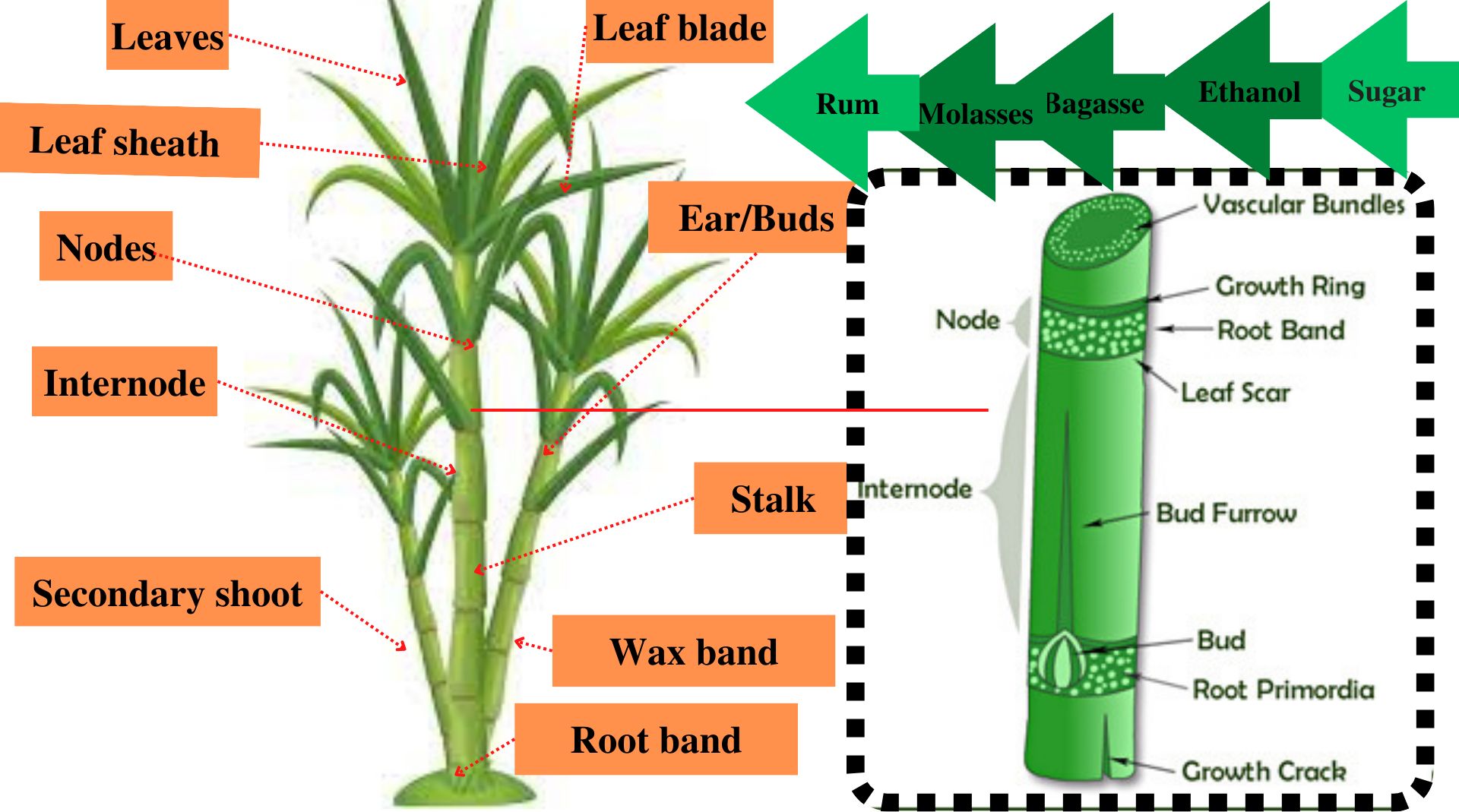
Sugarcane (Saccharum officinarum) is a tall, grass‑like plant that stores carbohydrates in its thickened internodes. The plant’s overall structure is adapted for rapid vertical growth, efficient photosynthesis, and resilience in humid climates. A typical sugarcane culm (stem) consists of a series of joints called internodes, each surrounded by a protective sheath and leaf blades that capture light. Roots penetrate deep into the soil to secure the plant and provide nutrients and water for sugar accumulation.
Stem and Internode Structure
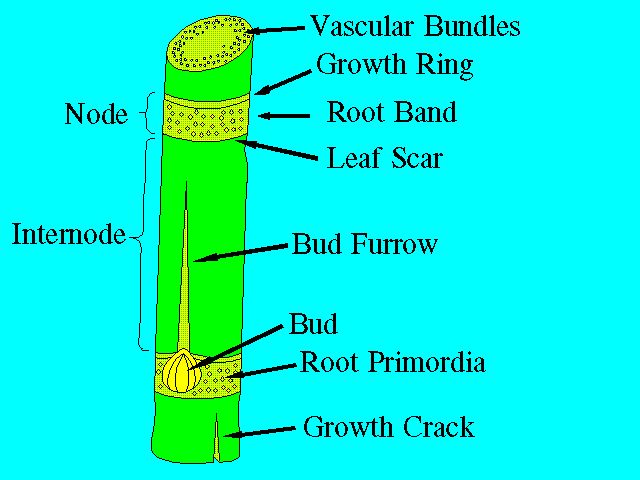
The stem is the most prominent part of a sugarcane plant, providing the framework for storage. Internodes are the elongated segments between nodes, each containing a high concentration of sucrose. The internode length and diameter determine the yield potential and ease of processing. The diagram below illustrates the cross‑sectional anatomy of a mature internode, showing the vascular bundles, cambium, and parenchyma cells that contribute to sugar storage.

Leaf Blade and Sheath
Sugarcane leaves are broad and flat, with a long, narrow sheath that encases the stem at the node. The blade performs the bulk of photosynthesis, converting sunlight into sugars that are transported to the internodes. The sheath provides mechanical support and reduces water loss by shading the stem. In Asian growing regions, leaf morphology can vary with altitude and temperature, influencing overall crop productivity.
Root System and Nutrient Uptake
The root system of sugarcane is extensive, with a dense network of fibrous roots extending laterally and a deep taproot that anchors the plant. Roots absorb water and essential nutrients—nitrogen, phosphorus, potassium, and trace elements—necessary for vigorous growth and sugar synthesis. Soil fertility management, especially in monsoon‑driven areas, is crucial to maintain optimal root health and yield.
Reproductive Organs and Flowering
Unlike many grasses, sugarcane’s flowering phase is brief and often not visible to the casual observer. The inflorescence—called a “flower spike”—forms at the tip of the culm, comprising multiple spikes that bear tiny flowers. In commercial cultivation, flowering is typically suppressed to focus energy on vegetative growth and sugar accumulation. Understanding the timing of flowering is important for planning harvest and ratoon cycles.
Growth Cycle in Asian Climates
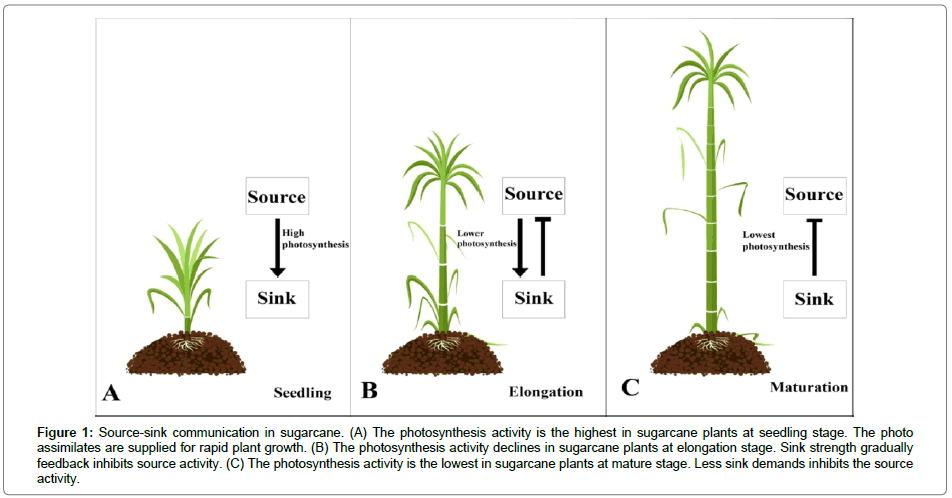
Asian sugarcane is commonly cultivated in regions with high rainfall, long growing seasons, and warm temperatures. The plant undergoes rapid vegetative growth during the monsoon, followed by a short reproductive phase. Ratoon cropping—allowing the plant to regrow from the base after harvest—maximizes land use and reduces the need for fresh planting. The diagram below provides a visual overview of the entire growth cycle, from planting to harvest.

Practical Uses of the Diagram for Farmers
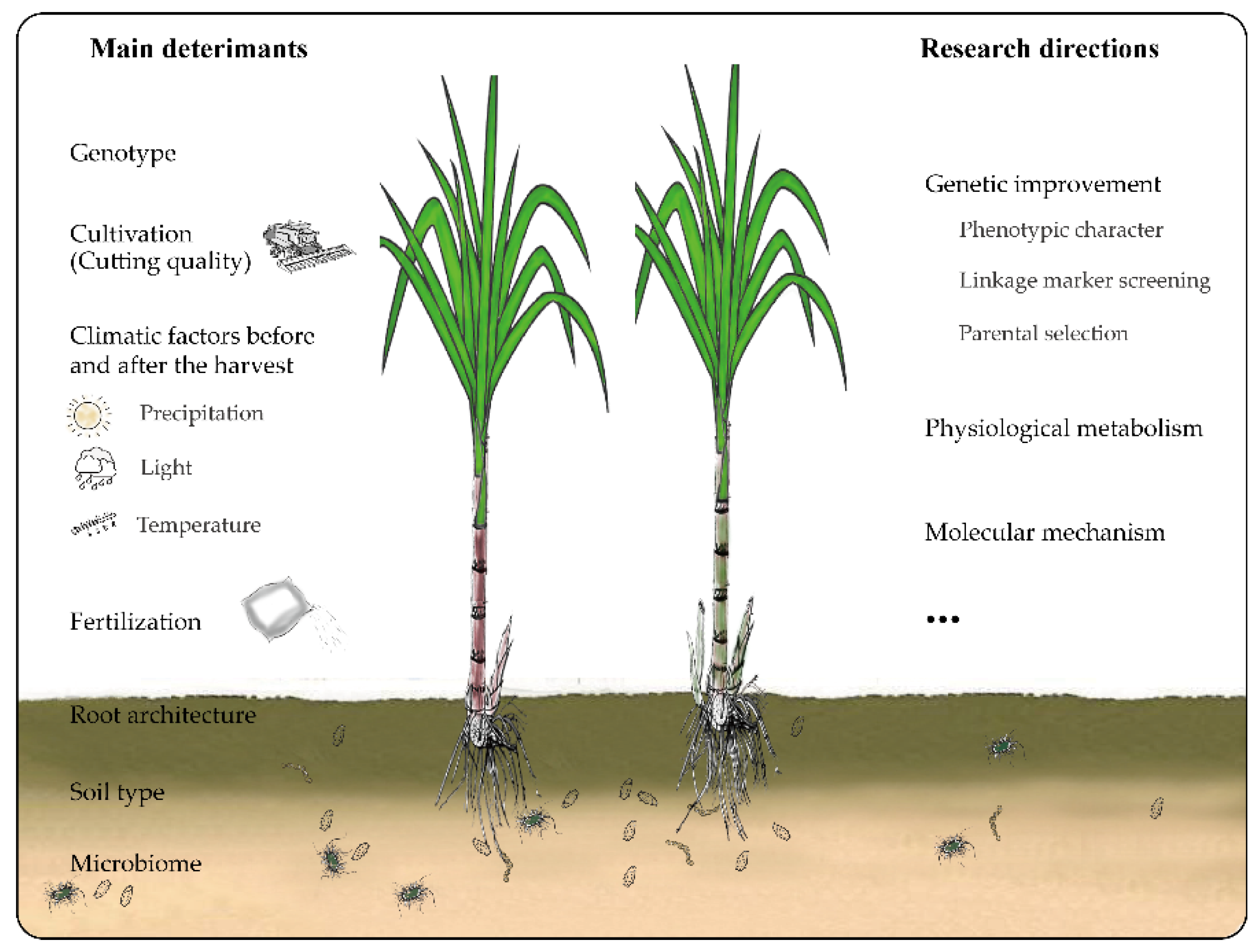
Farmers can use the diagram to identify key stages for interventions such as fertilization, pest control, and irrigation. For example, knowing the internode positions helps in precise cutting for harvest, while leaf sheath observations can signal early signs of nutrient deficiency. In training sessions, agronomists may overlay the diagram with local data to tailor best practices for specific microclimates.
Conclusion
The diagrammatic representation of sugarcane provides a concise reference for understanding the plant’s structure, growth cycle, and agronomic requirements. By studying the internodes, leaves, roots, and reproductive organs, growers can optimize cultivation practices to achieve higher yields and better sugar quality. This guide equips you with the knowledge to interpret the diagram accurately and apply it effectively in your farming operations across Asia.
Sugarcane Plant Diagram

Sugarcane Plant Diagram
Sugarcane Plant Diagram

Sugarcane Plant Diagram
Circular Crop Stages Of Sugarcane. Round Growing Sugar Cane Plant Used

Circular Crop Stages of Sugarcane. Round Growing Sugar Cane Plant Used ...
Sugarcane Plant Diagram

Sugarcane Plant Diagram
Cultivation Of Sugarcane......... | PPTX

Cultivation of sugarcane......... | PPTX
Sugarcane Plant Diagram
Sugarcane Plant Diagram
Sugarcane Plant Diagram

Sugarcane Plant Diagram
Sugarcane Stem
Sugarcane Stem
Sugarcane Plant Diagram

Sugarcane Plant Diagram
Sugarcane Plant Diagram
Sugarcane Plant Diagram
A Schematic Diagram Depicting The Different Compartments Of Sugarcane

A schematic diagram depicting the different compartments of sugarcane ...
Sugarcane Stem Drawing

Sugarcane Stem Drawing
Sugarcane Plant Diagram
Sugarcane Plant Diagram
Diagram Illustrating The Structure Of A Sugarcane Plant With Labels For

Diagram illustrating the structure of a sugarcane plant with labels for ...
Drawing Sugarcane Plant Diagram

Drawing Sugarcane Plant Diagram
Sugarcane Plant Diagram
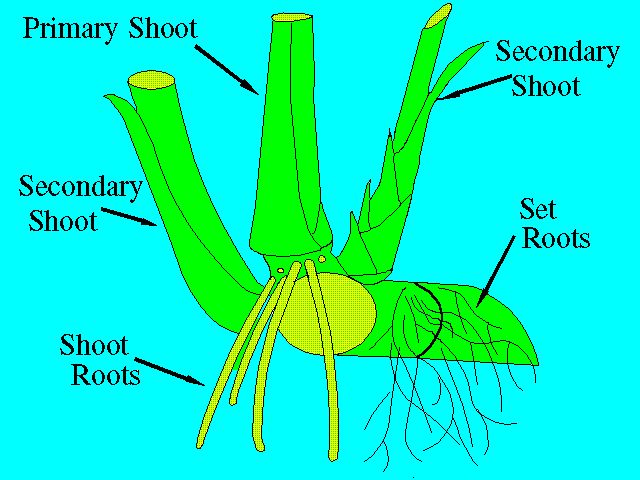
Sugarcane Plant Diagram
Morphological Structure Of (a) The Sugarcane Plant, (b) The Structure

Morphological structure of (a) the sugarcane plant, (b) the structure ...
Sugarcane Plant Diagram
Sugarcane Plant Diagram
Sugarcane Plant Diagram

Sugarcane Plant Diagram
Sugarcane Plant Diagram

Sugarcane Plant Diagram
Typical Sugarcane Biomass Structure | Download Scientific Diagram

Typical sugarcane biomass structure | Download Scientific Diagram
Drawing Sugarcane Plant Diagram

Drawing Sugarcane Plant Diagram
Sugarcane Plant Diagram

Sugarcane Plant Diagram
Sugarcane Cycle Hi-res Stock Photography And Images - Alamy

Sugarcane cycle hi-res stock photography and images - Alamy
1,501 Sugarcane Drawing Royalty-Free Images, Stock Photos & Pictures

1,501 Sugarcane Drawing Royalty-Free Images, Stock Photos & Pictures ...
Sugar Cane Process Diagram : Sugar Production From Cane Sugar – YXIPX

Sugar Cane Process Diagram : Sugar production from cane sugar – YXIPX
Sugarcane Plant Diagram

Sugarcane Plant Diagram
Morphological Structure Of (a) The Sugarcane Plant, (b) The Structure

Morphological structure of (a) the sugarcane plant, (b) the structure ...
Sugarcane Plant Diagram

Sugarcane Plant Diagram
Representation Of The Structure Of Sugarcane With The Location Of Pith

Representation of the structure of sugarcane with the location of pith ...
Sugarcane Plant Diagram
Sugarcane Plant Diagram
Sugarcane Plant Diagram

Sugarcane Plant Diagram