Guide to Ear, Nose, and Throat Anatomy: Asian Perspective
Welcome to an in‑depth exploration of the ear, nose, and throat—collectively known as ENT—presented through an Asian lens. In this guide you will discover the intricate structures that enable hearing, breathing, and speaking, learn how these organs cooperate, and gain practical insights into common conditions, diagnostic approaches, and preventive care. Whether you’re a student, a healthcare professional, or simply curious about how the human body functions, this article offers clear explanations and visual support to help you master the anatomy of the ENT region.
Overview of ENT Anatomy
The ear, nose, and throat are not isolated entities; they form a continuous system that supports essential life functions. The ear is responsible for sound perception and balance, the nose filters and humidifies air, and the throat (pharynx) acts as a conduit for food, liquids, and air while also serving as a critical component of the immune system. In Asian cultures, a holistic view often emphasizes the balance between these parts, echoing principles found in Traditional Chinese Medicine and Ayurveda that recognize the interconnectedness of bodily systems.
Understanding the anatomy requires recognizing both the external landmarks—such as the ear’s pinna, the nasal cavity’s turbinates, and the tonsils in the throat—and the internal structures like the cochlea, the olfactory epithelium, and the laryngeal cartilage. Below, we’ll dissect each region in detail.
The Ear: From Outer to Inner
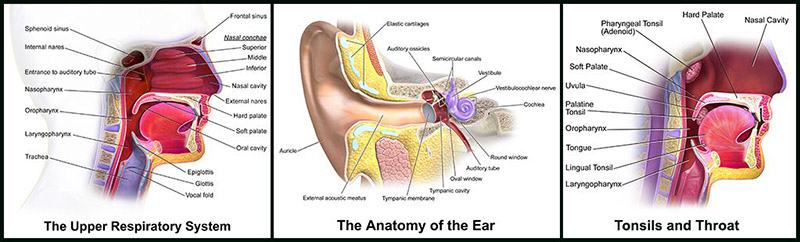
The human ear comprises three main parts: the outer ear, middle ear, and inner ear. The outer ear consists of the visible pinna and the ear canal, which guides sound waves toward the tympanic membrane (eardrum). The middle ear contains three tiny bones—the malleus, incus, and stapes—known as the ossicles, which amplify and transmit vibrations to the inner ear.
Inside the inner ear, the cochlea transforms mechanical vibrations into electrical signals that the brain interprets as sound. Adjacent to the cochlea lies the vestibular system, which monitors head position and movement, ensuring balance and spatial orientation. The intricate labyrinthine structure of the inner ear makes it highly susceptible to infections and trauma.

The Nose: Gateway to the Airway
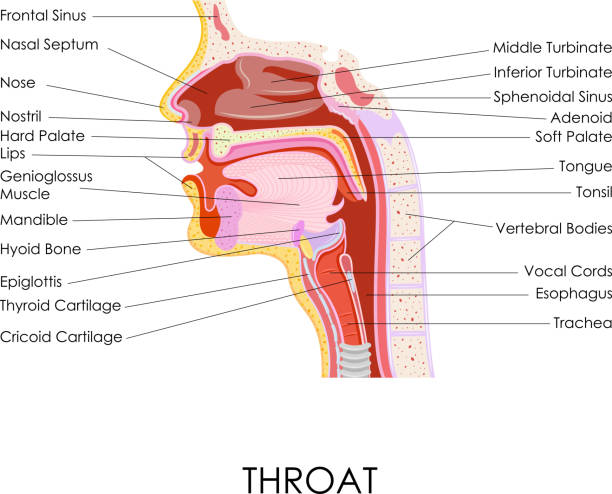
The nasal cavity serves multiple roles: filtration, humidification, temperature regulation, and olfaction. Two key anatomical features, the turbinates (conchae), project into the nasal passage and trap particles, preventing them from reaching the lower airways. The mucous membrane lining the nasal cavity produces mucus, which captures pathogens and debris, and cilia move the mucus toward the pharynx.
Olfactory receptors located in the superior portion of the nasal cavity detect volatile molecules, providing the sense of smell—a highly developed sense in many Asian cultures, often linked to culinary appreciation and traditional herbal practices.
The Throat: The Pharynx and Larynx
The pharynx is a muscular tube that extends from the nasal cavity to the esophagus and larynx. It is divided into the nasopharynx, oropharynx, and laryngopharynx, each serving distinct functions. The oropharynx is the primary route for food and air during swallowing and breathing, while the laryngopharynx leads into the larynx (voice box). The larynx houses the vocal cords, which vibrate to produce speech and also act as a valve to prevent aspiration into the lungs.
The pharynx is rich in lymphoid tissue, particularly the palatine tonsils, which play a role in immune surveillance. In many Asian populations, tonsillectomy rates historically differed based on local prevalence of infectious diseases, highlighting how cultural and environmental factors influence ENT health practices.
Interconnected Functions and Reflections on Balance
The ENT system demonstrates a delicate balance between mechanical, sensory, and immune functions. For instance, the nasal passage’s ability to humidify air directly influences the laryngeal mucosa, maintaining optimal conditions for voice production. Similarly, the inner ear’s vestibular system relies on signals from the visual and proprioceptive systems, illustrating how ENT health is integrated with overall bodily equilibrium.
Common Disorders and Symptoms
Several conditions affect the ear, nose, and throat, each with characteristic symptoms and cultural implications:
- Otitis Media: Middle ear infection causing ear pain, hearing loss, and fever—common among children in many Asian communities.
- Sinusitis: Inflammation of the sinuses presenting with facial pain, congestion, and a reduced sense of smell.
- Pharyngitis: Inflammation of the pharynx leading to sore throat, difficulty swallowing, and fever.
- Allergic Rhinitis: Seasonal or perennial allergies causing sneezing, itchy eyes, and post‑nasal drip.
- Voice Disorders: Laryngitis or vocal nodules affecting speech clarity—an issue especially pertinent for teachers, singers, and public speakers.
Recognizing symptoms early and seeking appropriate care can prevent complications and improve quality of life.
Diagnostic Imaging Techniques
Modern diagnostics combine visual inspection with imaging:
- CT Scans: Provide detailed views of bone structures in the ear and sinuses.
- MRI: Excellent for soft tissue evaluation of the inner ear and pharyngeal space.
- Endoscopy: Allows direct visualization of the nasal cavity, pharynx, and larynx.
- Audiometry: Assesses hearing thresholds across frequencies.
These tools guide treatment decisions, from medication management to surgical intervention.
Preventive Care and Lifestyle Tips
Adopting healthy habits can reduce ENT problems:
- Hand Hygiene: Frequent washing helps prevent upper respiratory infections.
- Avoiding Smoke: Reduces risk of otitis media and chronic rhinosinusitis.
- Hydration: Keeps mucous membranes moist, supporting nasal filtration and vocal cord health.
- Balanced Diet: Adequate vitamin C and zinc support immune function.
- Regular Exercise: Enhances circulation and lymphatic drainage.
- Voice Care: Adequate rest and proper technique minimize strain on the larynx.
- Environmental Control: Humidifiers maintain optimal moisture levels, especially during dry seasons.
In many Asian societies, complementary therapies—such as acupuncture and herbal steam inhalation—are also used to complement conventional care. While evidence varies, these practices often reflect cultural beliefs about balancing bodily energies and may provide additional comfort or symptom relief for some individuals.
Conclusion
Mastering the anatomy of the ear, nose, and throat equips you with a deeper appreciation of how these organs collaborate to facilitate communication
Ear And Nose Anatomy Diagram
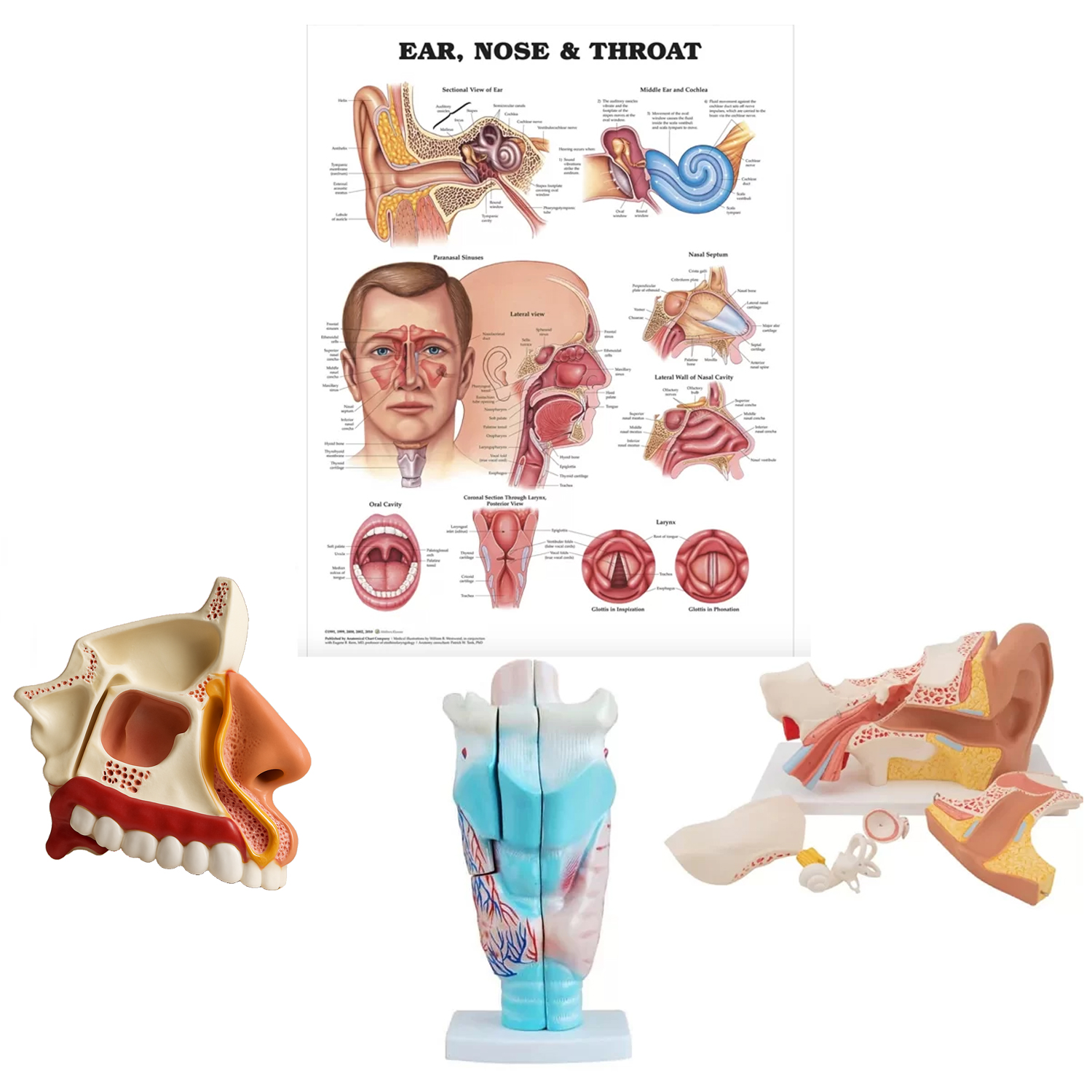
Ear And Nose Anatomy Diagram
Ear, Nose, Mouth And Throat, Illustration - Stock Image - C047/6120

Ear, nose, mouth and throat, illustration - Stock Image - C047/6120 ...
Nose And Throat Diagram Labeled

Nose And Throat Diagram Labeled
Sinus And Ear Anatomy Ear, Nose, And Throat (ENT) Clinic Orleans

Sinus And Ear Anatomy Ear, Nose, And Throat (ENT) Clinic Orleans
Anatomy Of The Ears Nose & Throat Diagram Chart Oil Canvas - Etsy

Anatomy of the Ears Nose & Throat Diagram Chart Oil Canvas - Etsy
Nose And Mouth Connection Diagram Anatomy Of The Ear, Nose & Throat

Nose And Mouth Connection Diagram Anatomy Of The Ear, Nose & Throat ...
Ear, Nose & Throat - Scientific Publishing
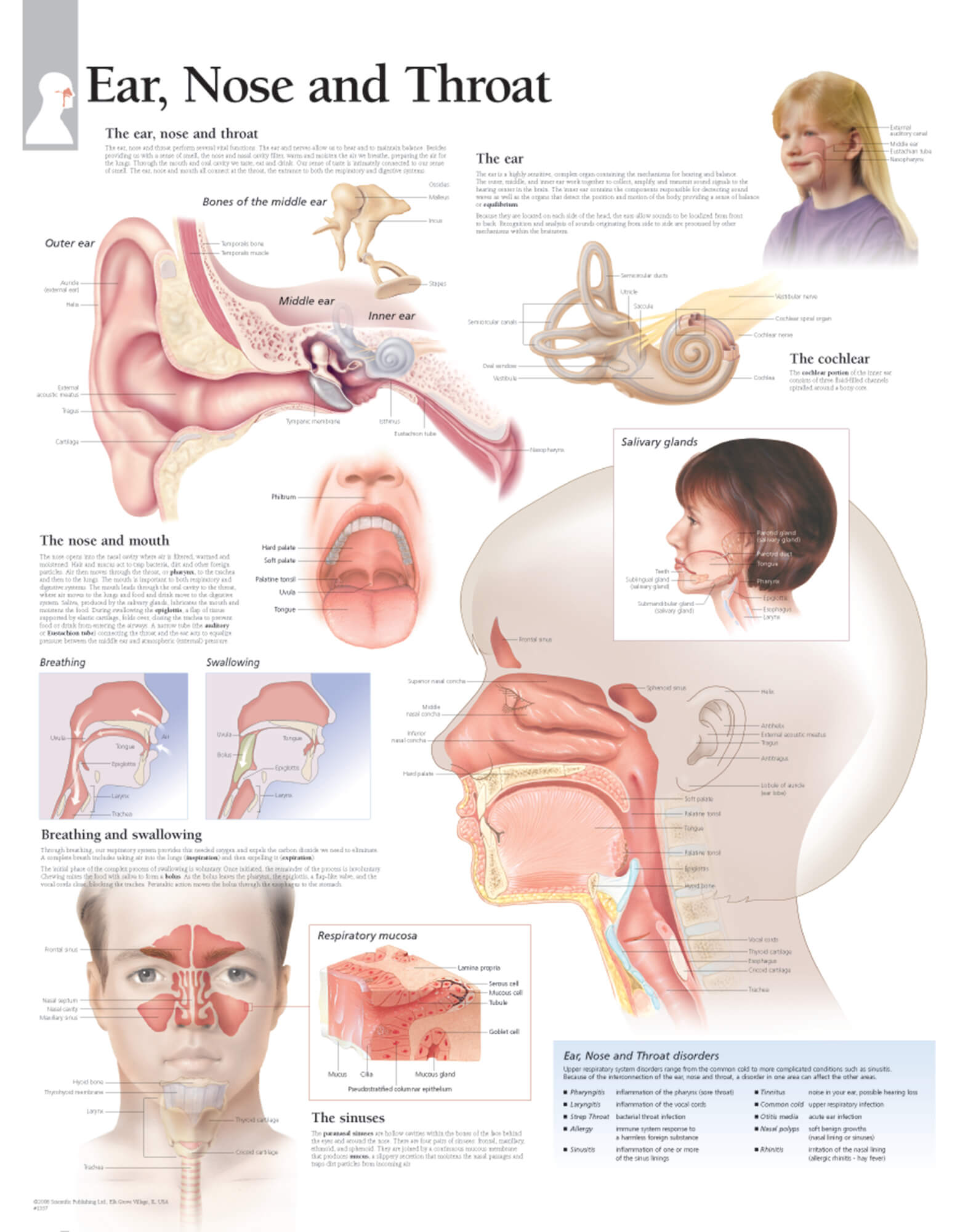
Ear, Nose & Throat - Scientific Publishing
Ear Nose And Throat Chart | ENT Poster | Vocal Cord – AnatomyStuff

Ear Nose and Throat Chart | ENT Poster | Vocal Cord – AnatomyStuff
Anatomy Of Nose And Throat Anatomy And Physiology Of ENT Organs

Anatomy Of Nose And Throat Anatomy And Physiology Of ENT Organs
Nose And Throat Anatomy Diagram

Nose And Throat Anatomy Diagram
Nose And Throat Diagram Labeled
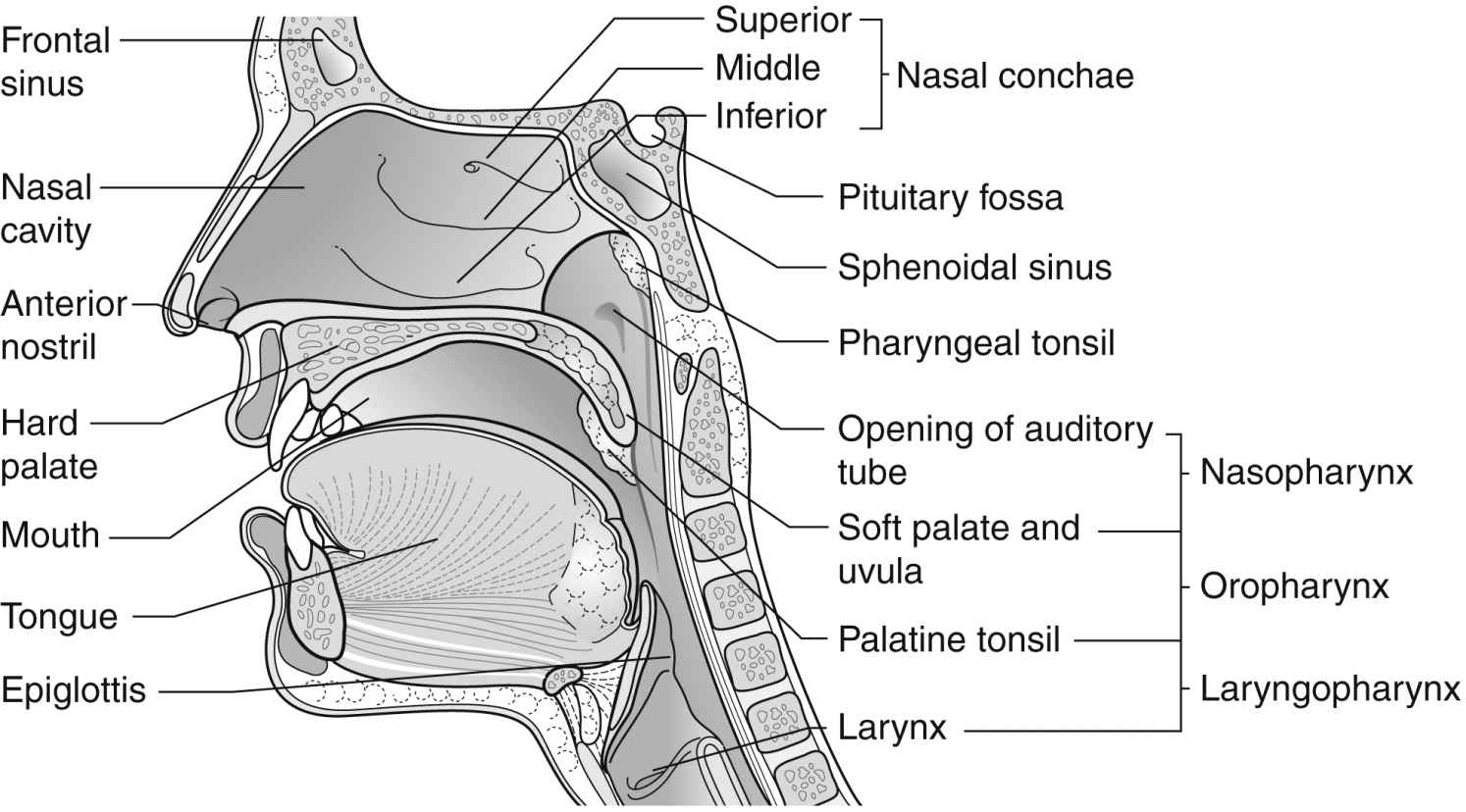
Nose And Throat Diagram Labeled
Anatomy Ear Nose Throat

Anatomy Ear Nose Throat
Nose And Throat Anatomy Diagram

Nose And Throat Anatomy Diagram
Ears Nose And Throat Diagram

Ears Nose And Throat Diagram
Ear, Nose And Throat - Anatomical Wall Chart | BSI Catalog

Ear, Nose and Throat - Anatomical Wall Chart | BSI Catalog
Nose And Throat Anatomy Diagram

Nose And Throat Anatomy Diagram
Ear Nose And Throat Chart | ENT Poster | Vocal Cord – AnatomyStuff
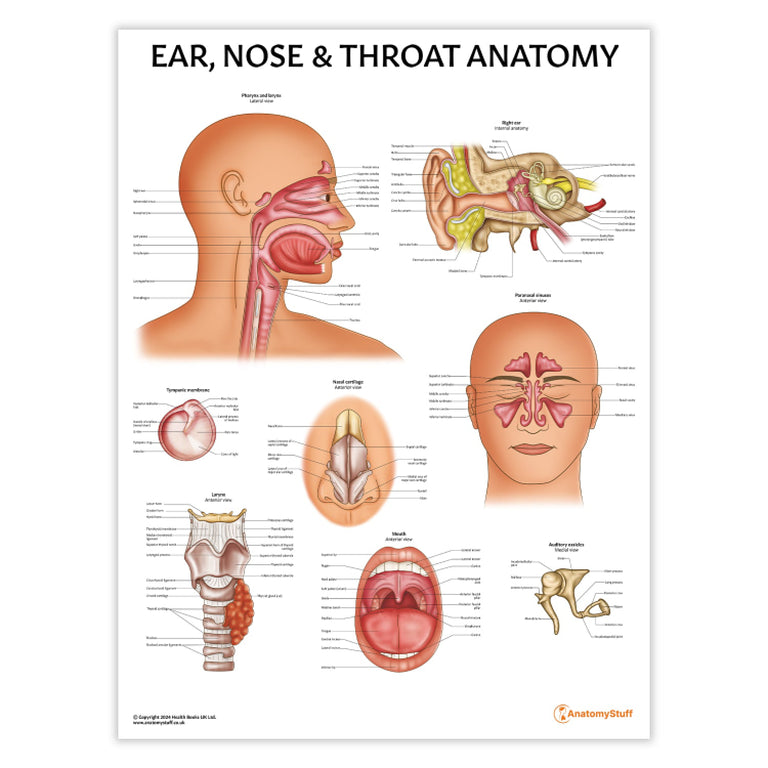
Ear Nose and Throat Chart | ENT Poster | Vocal Cord – AnatomyStuff
Anatomy Of The Nose And Sinus Anatomy Drawing Diagram

Anatomy Of The Nose And Sinus Anatomy Drawing Diagram
7 Clear Diagrams Of Ear, Nose & Throat Anatomy – Moo Wiring

7 Clear Diagrams of Ear, Nose & Throat Anatomy – Moo Wiring
2,700+ Ear Nose And Throat Anatomy Stock Photos, Pictures & Royalty
2,700+ Ear Nose And Throat Anatomy Stock Photos, Pictures & Royalty ...
Anatomical Chart Company Ear Nose And Throat Laminated Anatomical Chart

Anatomical Chart Company Ear Nose and Throat Laminated Anatomical Chart ...
7 Clear Diagrams Of Ear, Nose & Throat Anatomy – Moo Wiring

7 Clear Diagrams of Ear, Nose & Throat Anatomy – Moo Wiring
Cross Section Biomedical Illustration Of Link Between The Ear Nose And

Cross Section Biomedical Illustration Of Link Between The Ear Nose And ...
Nose And Throat Anatomy Diagram
Nose And Throat Anatomy Diagram
Ears Nose And Throat Diagram

Ears Nose And Throat Diagram
Understanding The Anatomy Of The Ear, Nose, And Throat

Understanding the Anatomy of the Ear, Nose, and Throat
Anatomy Of The Ear And Nose

Anatomy of the ear and nose
How The Tube Connects From Your Middle Ear To Your Nose And Throat

How the tube connects from your middle ear to your nose and throat ...
Anatomy Stuff Anatomical Chart For The Ear, Nose, And Throat India | Ubuy

Anatomy Stuff Anatomical Chart for the Ear, Nose, and Throat India | Ubuy
Nose And Throat Diagram Nervous Mrs. Johnson's Site

Nose And Throat Diagram Nervous Mrs. Johnson's Site