Diamond vs. Graphite: A Detailed Diagrammatic Guide for Material Scientists
In this guide you will learn how to accurately diagram the crystal structures of diamond and graphite, understand their atomic arrangements, and compare the key physical properties that arise from these structures. The article will walk through the lattice geometry, bonding, and visualization techniques, and provide illustrative images that exemplify each structure for use in presentations, research papers, and educational materials.
Atomic Arrangement and Crystal Lattice
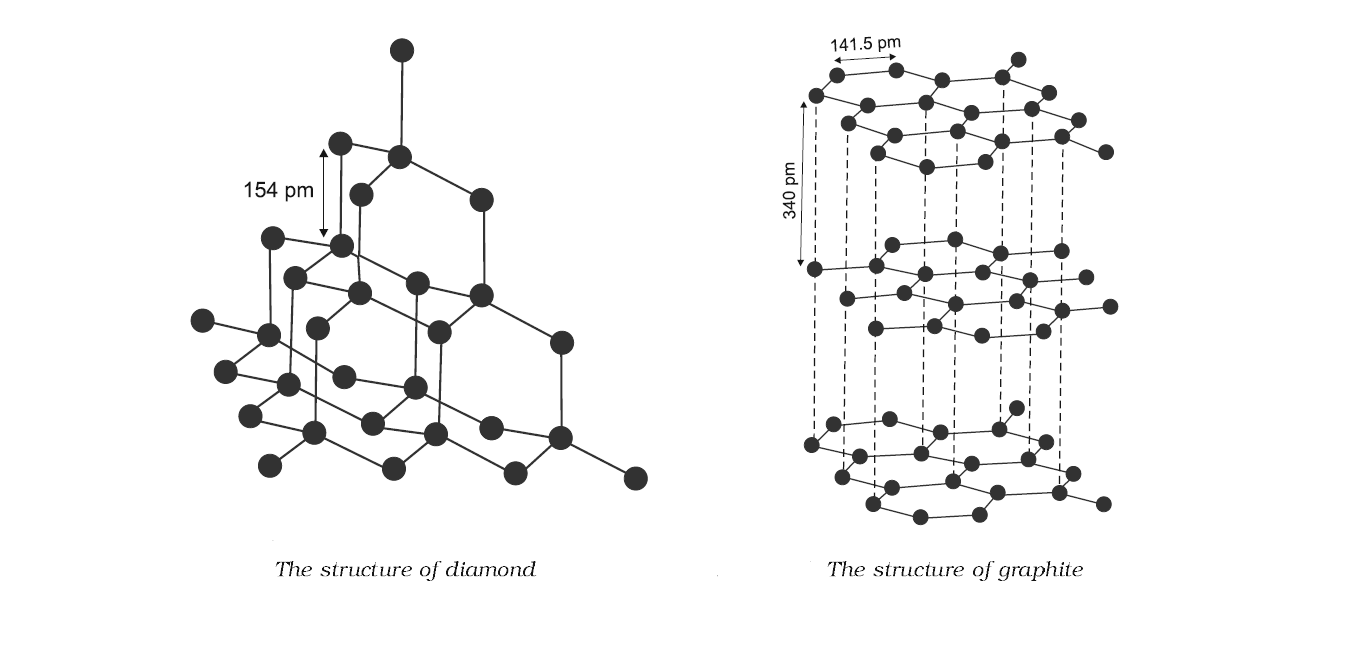
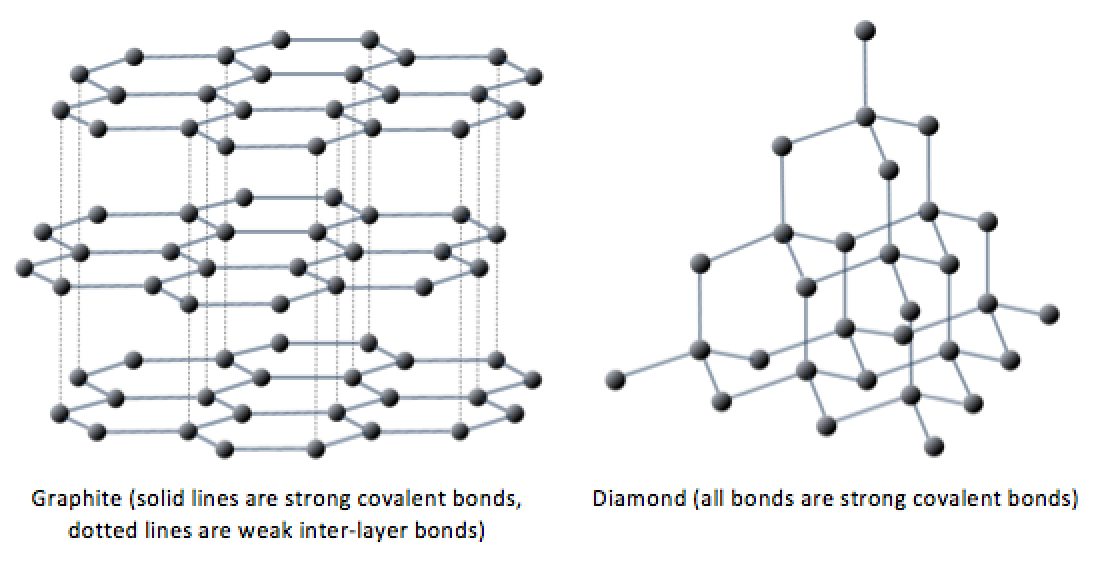
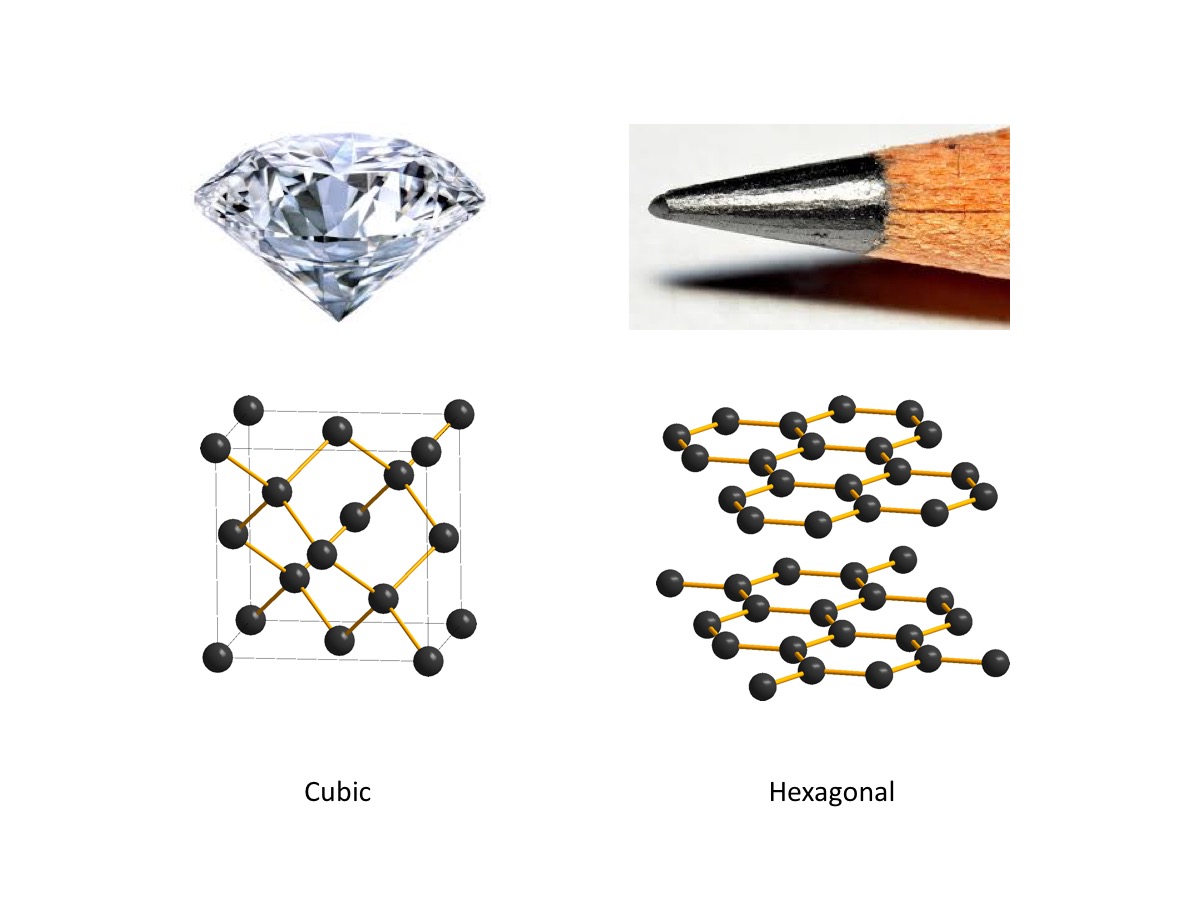
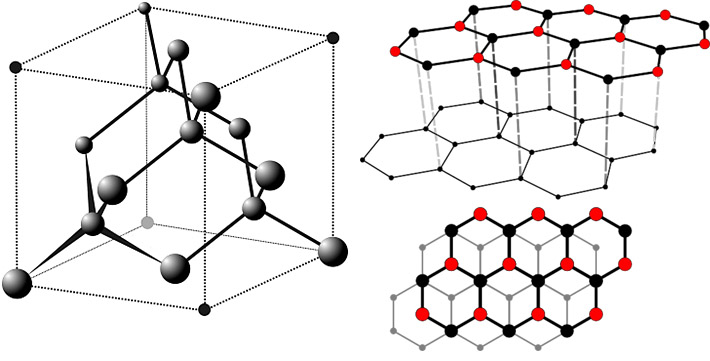
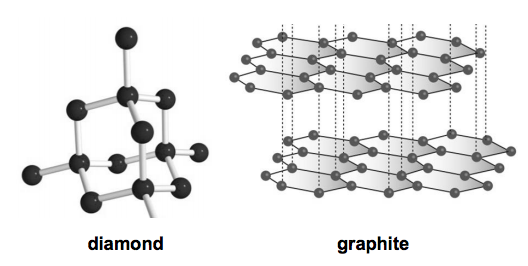
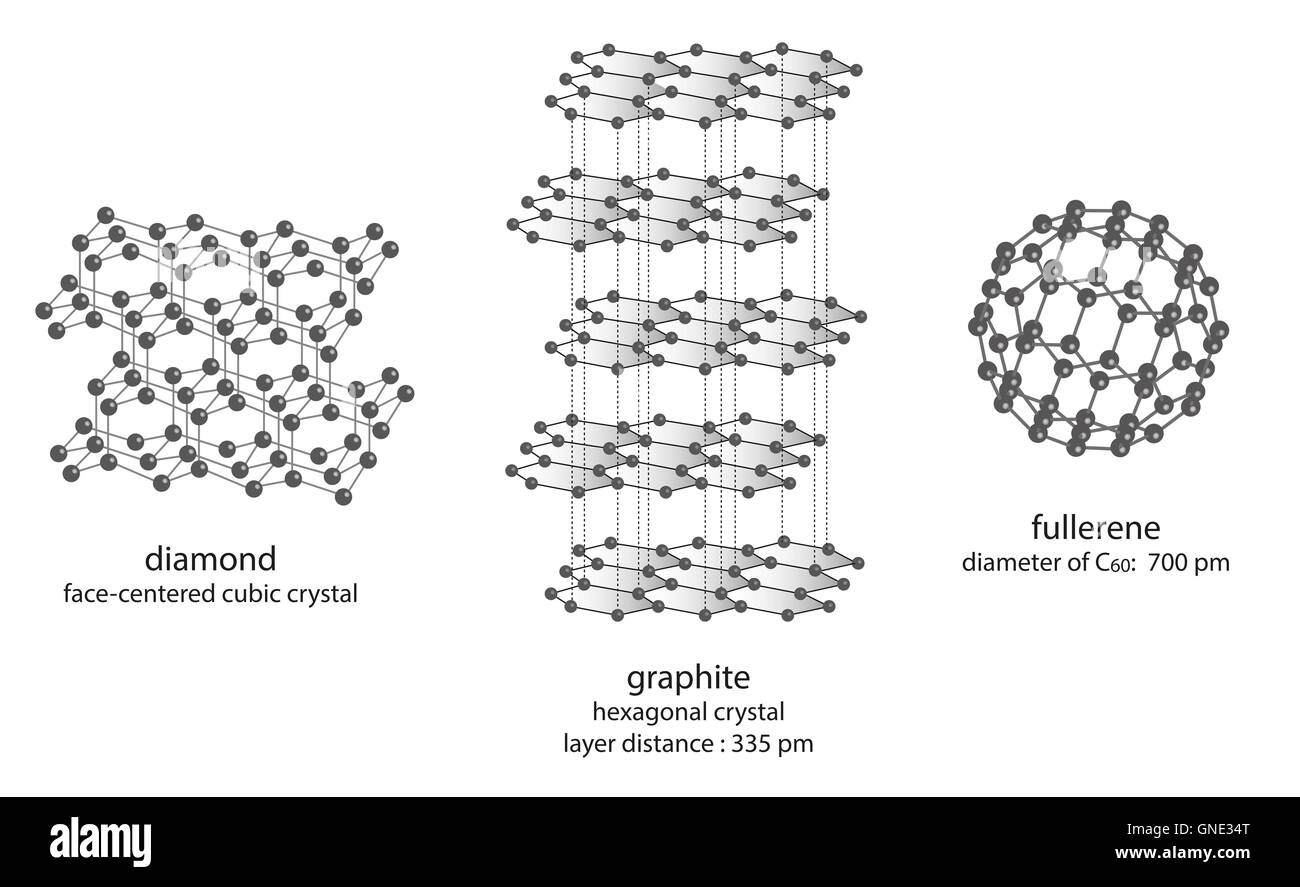
Diamond crystallizes in a face‑centered cubic lattice (space group Fd-3m) where each carbon atom is tetrahedrally bonded to four neighbors. The unit cell contains eight carbon atoms, and the bonding network forms a three‑dimensional network of covalent bonds that extend uniformly in all directions. Graphite, in contrast, adopts a hexagonal crystal system (space group P63/mmc). Carbon atoms within each layer are sp² hybridized, forming strong covalent bonds in a two‑dimensional honeycomb lattice, while adjacent layers are held together by weak van der Waals forces.
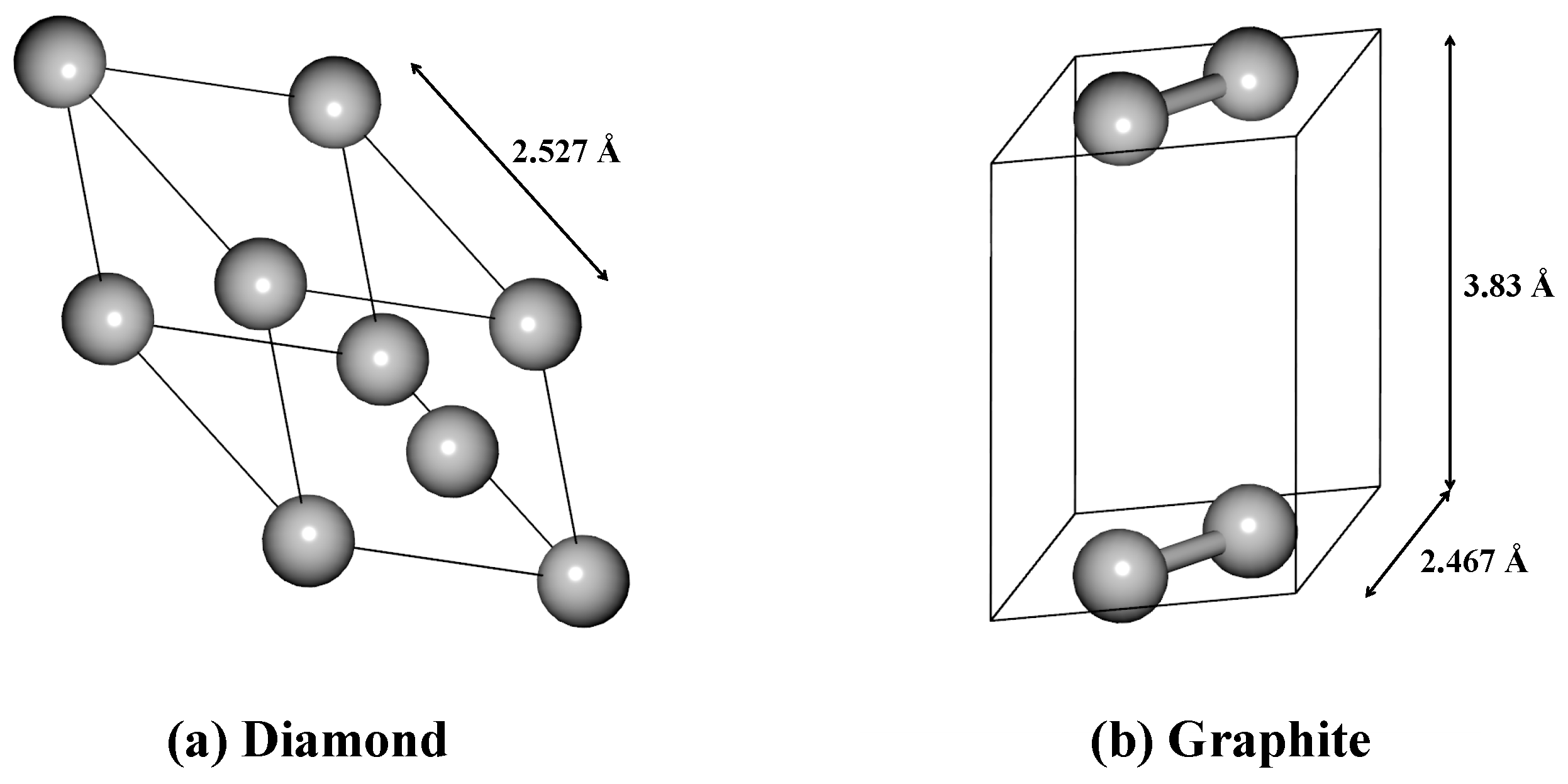
The tetrahedral coordination in diamond results in a high symmetry lattice where each atom is surrounded by four equidistant neighbors, creating a rigid and highly bonded network. In graphite, the hexagonal arrangement leads to layers of carbon atoms that can slide over each other, a property that is essential for lubricants and pencils. The differences in dimensionality of the bonding networks directly influence the mechanical, optical, and thermal characteristics of these two allotropes.
Bonding and Electronic Structure
Diamond’s sp³ hybridization gives rise to strong sigma bonds with a bond angle of 109.5°, and each C–C bond length is approximately 1.54 Å. The tetrahedral network is electrically insulating because the valence electrons are tightly bound in sigma bonds. Graphite’s sp² hybridization yields three sigma bonds in a plane and a delocalized π electron system perpendicular to the layers. This delocalization confers electrical conductivity along the planes and contributes to the anisotropic mechanical properties of graphite.
In addition, the difference in hybridization results in distinct electronic band structures: diamond has a wide bandgap of about 5.5 eV, making it a perfect insulator, whereas graphite exhibits semi‑metallic behavior with a small overlap between the valence and conduction bands.
Physical Properties Derived from Structure
Because of its three‑dimensional network, diamond is the hardest known natural material, with a Mohs hardness of 10, and it also exhibits superior thermal conductivity (around 2200 W/m·K). Its optical properties include high refractive index (≈2.42) and significant transparency across a broad spectrum, which make it valuable for optical windows and laser cutting tools.
Graphite, on the other hand, is soft in the plane (Mohs hardness ~1–1.5), yet exceptionally strong perpendicular to the layers due to the robust covalent bonds. Its electrical conductivity in-plane is high (≈10⁶ S/m), which makes it useful for electrodes and batteries. Graphite’s layered structure also allows it to act as a solid lubricant, as the layers can shear past each other with minimal resistance.
Visualization and Diagrammatic Representation
Accurate diagrams are essential when communicating the structural differences between these allotropes. For diamond, the diagram should display the cubic unit cell with atoms positioned at the corners, face centers, and interior tetrahedral sites, clearly indicating the 109.5° bond angles. Graphite diagrams should emphasize the two‑dimensional honeycomb lattice, labeling the A and B sublattices, and indicating the interlayer spacing (~3.35 Å).

Step‑by‑Step Guide to Drawing the Structures
1. Diamond: Draw a cube. Place atoms at each corner and at the center of each face. Add an atom at the center of the cube. Connect each corner atom to the center and the face‑center atoms with straight lines to represent bonds. Show the 109.5° angles using a protractor or by drawing a small arc.
2. Graphite: Start with a hexagon. Inside each hexagon, mark the two sublattices (A and B). Connect each A atom to its three nearest B neighbors, forming a planar honeycomb pattern. Repeat for multiple layers, offsetting the second layer by a shift of one carbon atom. Use dotted lines to represent the weak van der Waals interactions between layers.
In both cases, annotate the lattice constants, bond lengths, and angles. Use color coding—blue for diamond’s covalent bonds, red for graphite’s in‑plane bonds—to improve clarity.
Applications Influenced by Structural Diagrams
Understanding the diagrammatic representations of diamond and graphite aids engineers and scientists in selecting materials for specific applications. For instance, the hardness and optical clarity of diamond are directly linked to its three‑dimensional covalent network, making it ideal for cutting tools, high‑precision optics, and electronic substrates. Graphite’s layered structure is the basis for lubricants, batteries, and carbon‑based composite materials. Detailed diagrams help in computational modeling, where the precise atomic positions and symmetry operations must be input into simulation software.
Conclusion
By mastering the diagrammatic depiction of diamond and graphite, professionals can quickly assess the mechanical, electronic, and thermal attributes of each allotrope. The tetrahedral, three‑dimensional lattice of diamond produces exceptional hardness and insulating behavior, while the planar, hexagonal network of graphite results in anisotropic conductivity and lubricity. Accurate visual representations not only enhance communication but also underpin the design and analysis of advanced materials across multiple industries.
Diamond And Graphite Structure

Diamond And Graphite Structure
Simple Structure Of Diamond And Graphite - Brainly.in

Simple structure of diamond and graphite - Brainly.in
Diamond And Graphite Crystal Structure
Diamond And Graphite Crystal Structure
Diamond And Graphite Crystal Structure

Diamond And Graphite Crystal Structure
Graphite Structure Vs Diamond
Graphite Structure Vs Diamond
Diamond And Graphite - Labelled Diagram

Diamond and graphite - Labelled diagram
Diamond & Graphite | WJEC GCSE Chemistry Revision Notes 2016

Diamond & Graphite | WJEC GCSE Chemistry Revision Notes 2016
Diamond And Graphite Structure
Diamond And Graphite Structure
Diamond And Graphite Structure

Diamond And Graphite Structure
Diamond And Graphite Structure
Diamond And Graphite Structure
Diamond & Graphite | Cambridge (CIE) IGCSE Co-ordinated Sciences

Diamond & Graphite | Cambridge (CIE) IGCSE Co-ordinated Sciences ...
Structure Of Graphite And Diamond
Structure Of Graphite And Diamond
Structure Of Graphite And Diamond

Structure Of Graphite And Diamond
Diamond And Graphite | Teaching Resources

Diamond and Graphite | Teaching Resources
Graphite Structure Vs Diamond

Graphite Structure Vs Diamond
Structure Of Diamond And Graphite

Structure Of Diamond And Graphite
A Revelation From The Structure Of Graphite And Diamond - Lifechanyuan

A Revelation from the Structure of Graphite and Diamond - Lifechanyuan
Diamond And Graphite Structure

Diamond And Graphite Structure
Diamond And Graphite Molecular Structure

Diamond And Graphite Molecular Structure
Diamond And Graphite Structure

Diamond And Graphite Structure
Understanding Diamond And Graphite: Structures And Uses – DYML
Understanding Diamond And Graphite: Structures And Uses – DYML
Diamond And Graphite Structure

Diamond And Graphite Structure
Structure Of Graphite And Diamond

Structure Of Graphite And Diamond
Structure Of Graphite And Diamond Diagram

Structure Of Graphite And Diamond Diagram
Diamond And Graphite Structure

Diamond And Graphite Structure