Dengue Virus Diagram Explained: A Comprehensive Guide
In this guide, you'll discover the intricacies of the dengue virus through clear diagrams and detailed explanations. From the viral structure and genome to its life cycle and prevention strategies, we’ll break down complex concepts in simple, approachable language—tailored for readers in Asia who are keen to understand how this mosquito‑borne pathogen operates.
Viral Structure
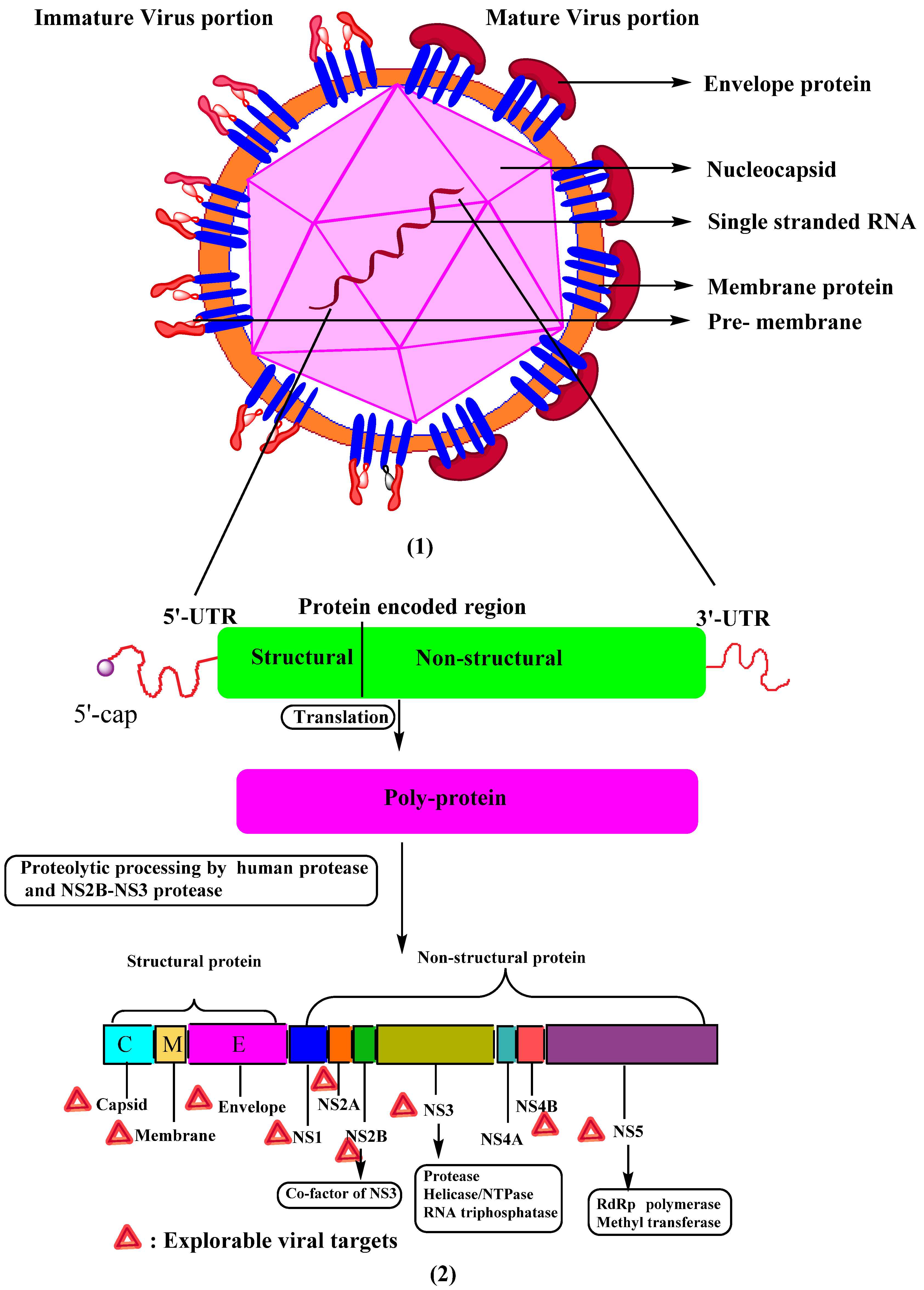
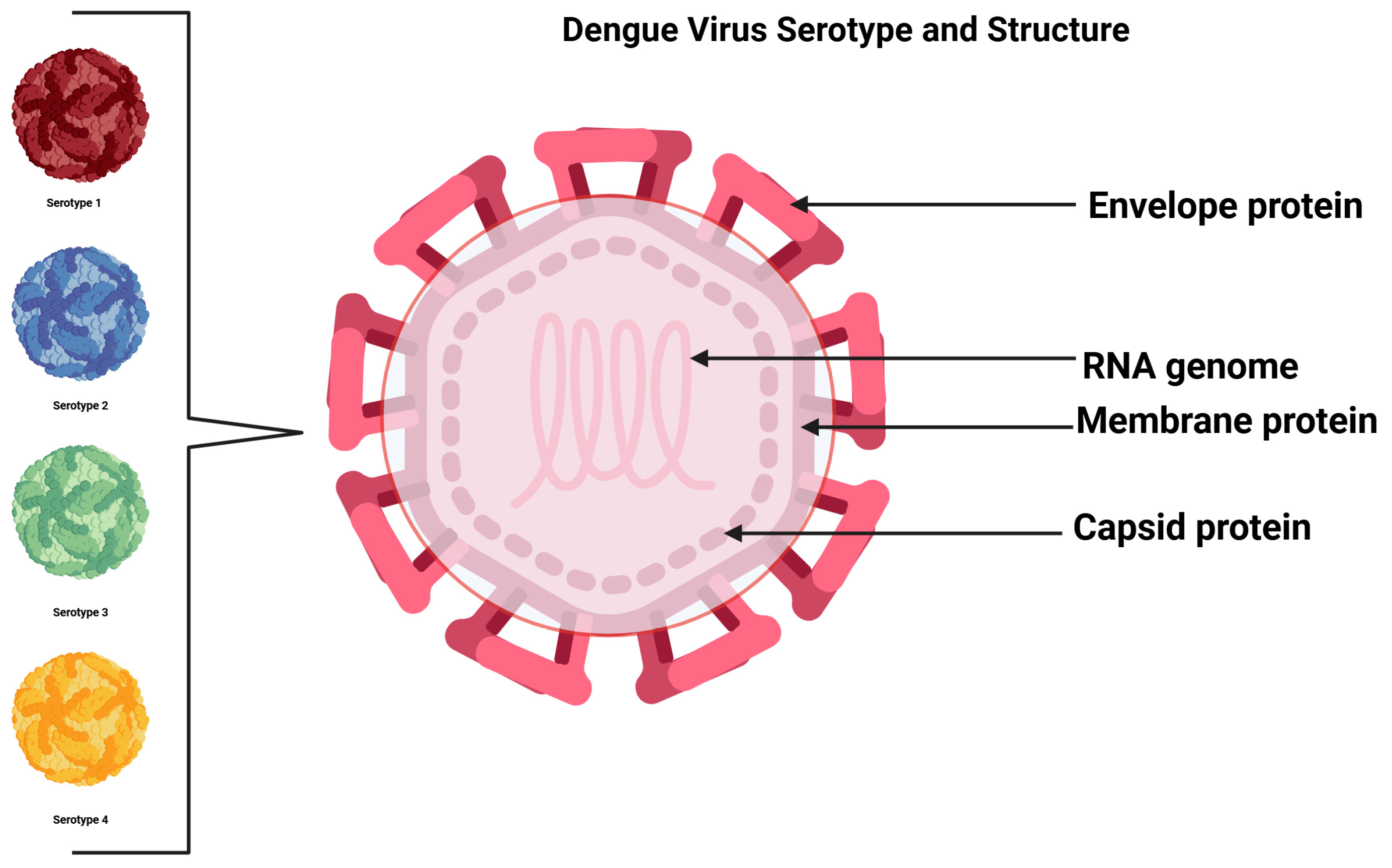
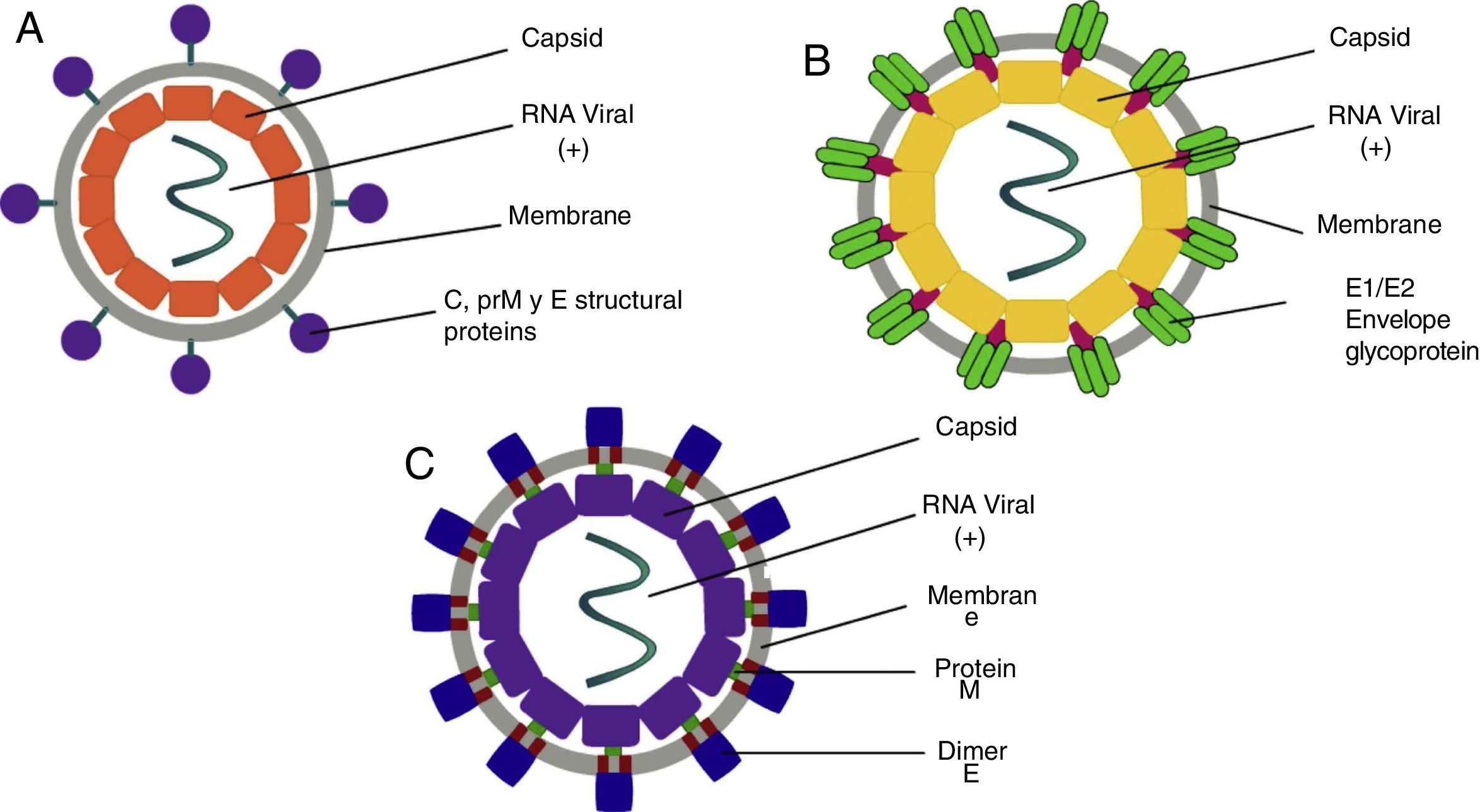
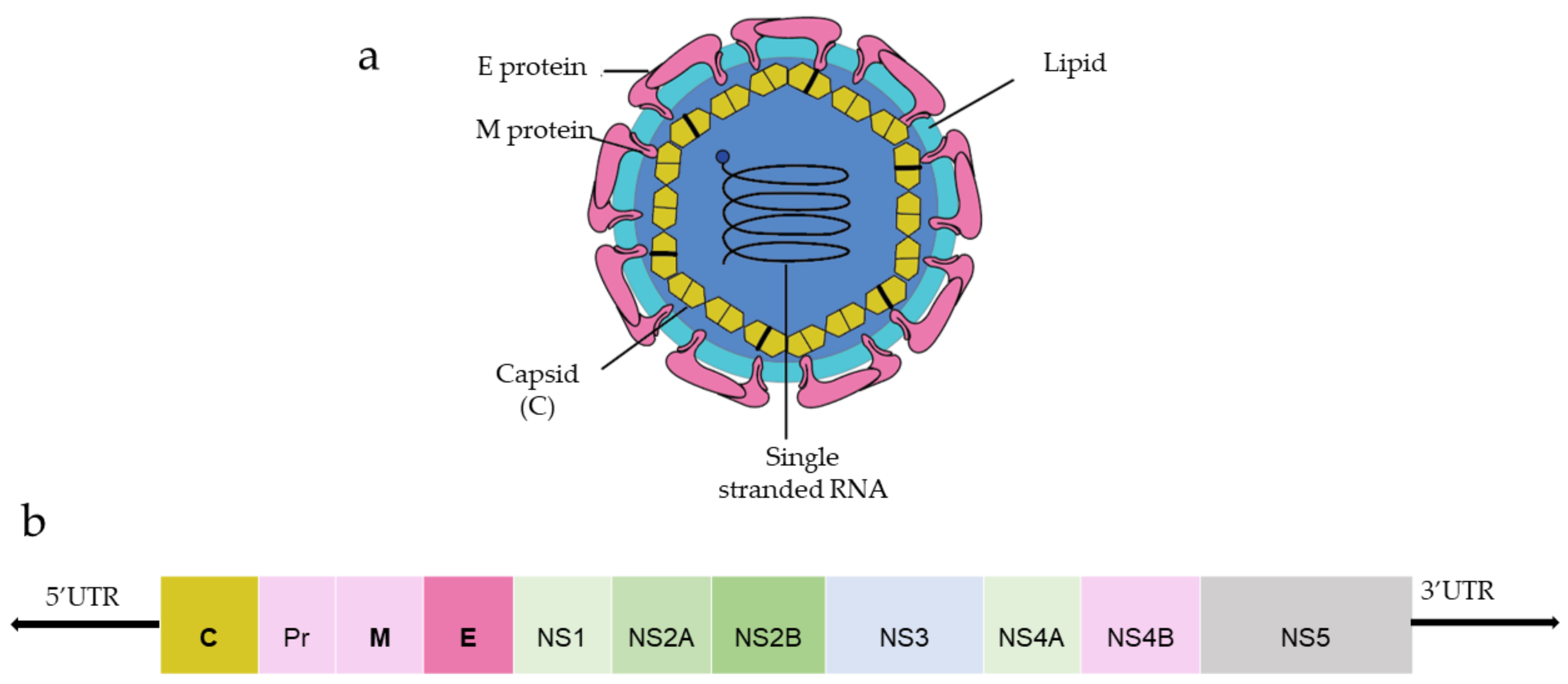
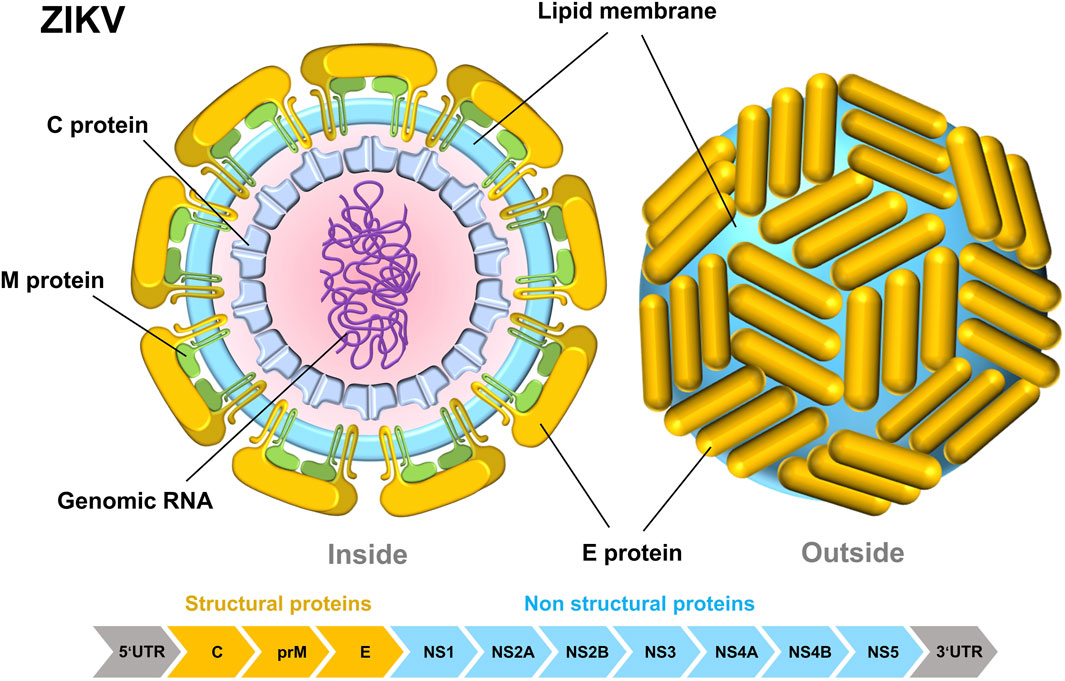
The dengue virus is a single‑positive‑strand RNA virus that belongs to the Flaviviridae family. Its outermost layer, the envelope (E) protein, forms a smooth, spherical surface that is key for binding to host cell receptors. Beneath the envelope lies the membrane (M) protein, while the inner nucleocapsid consists of the nucleocapsid (C) protein bound to the viral RNA. The overall diameter of the virion is roughly 50 nm, giving it a compact yet sturdy appearance that facilitates efficient transmission via Aedes mosquitoes.

Genome Organization
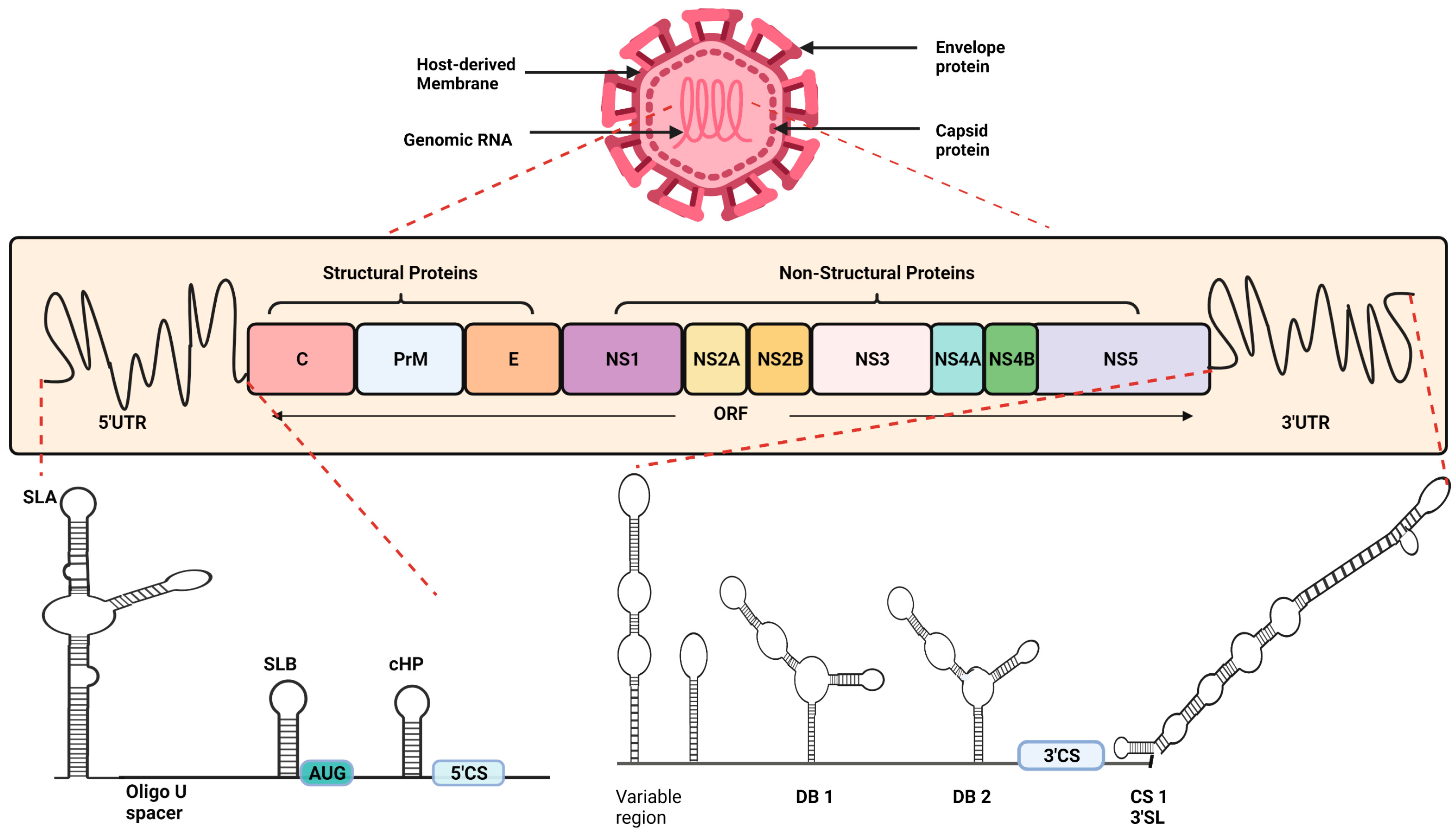
Dengue virus possesses a single‑stranded, positive‑sense RNA genome approximately 10.7 kilobases in length. The genome encodes a large polyprotein that is processed into three structural proteins (C, prM, and E) and seven non‑structural proteins (NS1, NS2A, NS2B, NS3, NS4A, NS4B, NS5). This organization is crucial for the virus’s replication and assembly processes. The 5’ and 3’ untranslated regions (UTRs) form secondary structures that regulate translation and replication efficiency.

Replication Cycle
Once inside a host cell, the viral RNA acts directly as messenger RNA, allowing immediate translation of the polyprotein. Host and viral proteases cleave this polyprotein into functional proteins. The non‑structural proteins orchestrate the formation of replication complexes on modified endoplasmic reticulum membranes. Viral RNA replication occurs in these membranous vesicles, producing new genomic strands that will be packaged into mature virions. Mature particles bud into the ER lumen and exit the cell via the secretory pathway, ready to infect new cells.
Transmission & Vector
The primary vector for dengue virus is the Aedes aegypti mosquito, which thrives in warm, humid climates across Southeast Asia and the Pacific. Mosquitoes acquire the virus by feeding on infected humans. After an incubation period of 8–12 days, the virus disseminates from the midgut to the salivary glands, allowing the mosquito to transmit the virus during subsequent bites. Understanding this vector‑host interaction is essential for designing effective control measures.
Prevention & Vaccine Strategies
Prevention hinges on two main pillars: mosquito control and human immunity. Environmental management—eliminating standing water, using larvicides, and deploying insecticide‑treated nets—reduces mosquito breeding sites. Personal protection involves repellents, long‑sleeve clothing, and window screens. Vaccination has progressed with the introduction of tetravalent vaccines that target all four dengue serotypes. While vaccination is a powerful tool, it must be combined with ongoing vector control to achieve sustained reductions in disease incidence.
Conclusion
This guide has unpacked the dengue virus’s structure, genome, life cycle, and the critical role of Aedes mosquitoes in its transmission. By integrating detailed diagrams with accessible explanations, we hope to empower health professionals, researchers, and communities across Asia to better recognize, prevent, and respond to dengue outbreaks. Continued investment in surveillance, vaccine research, and vector‑control initiatives remains the cornerstone of reducing the global burden of dengue fever.
Dengue Fever Virus Structure

Dengue Fever Virus Structure
Dengue Fever Virus Structure
Dengue Fever Virus Structure
Dengue Virus Structure | Learn Science At Scitable

Dengue virus structure | Learn Science at Scitable
Dengue Virus And The Host Immune System: A Battle Of Immune Modulation

Dengue Virus and the Host Immune System: A Battle of Immune Modulation ...
Dengue Virus | PPT

Dengue virus | PPT
Dengue Fever Virus Structure

Dengue Fever Virus Structure
Dengue Fever Virus Structure
Dengue Fever Virus Structure
Molecular Insight Into Dengue Virus Pathogenesis And Its Implications

Molecular Insight into Dengue Virus Pathogenesis and Its Implications ...
Dengue Virus In 3D Showing Structure - Stock Image - C043/2915

Dengue Virus in 3D Showing Structure - Stock Image - C043/2915 ...
Dengue Fever Virus Structure

Dengue Fever Virus Structure
Dengue Fever Virus Structure
Dengue Fever Virus Structure
Dengue Fever Virus Structure
Dengue Fever Virus Structure
DENGUE VIRUS | PPTX

DENGUE VIRUS | PPTX
Dengue Virus.pptx
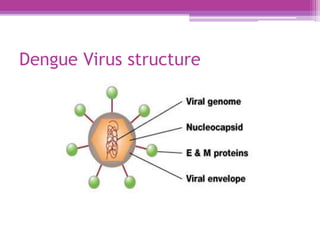
dengue virus.pptx
Dengue Virus Structure Dengue Virus Replication And Infection Cycle

Dengue virus structure Dengue virus Replication and Infection Cycle ...
The Dengue Virus Structure And Genome. (a) Schematic Representation Of

The dengue virus structure and genome. (a) Schematic representation of ...
Dengue Fever Virus Structure
Dengue Fever Virus Structure
Dengue Fever Virus Structure

Dengue Fever Virus Structure
Dengue Virus: Structure, Serotypes And Mode Of Transmission

Dengue virus: structure, serotypes and mode of transmission
Structural Components Of Dengue Virus. | Download Scientific Diagram

Structural components of Dengue virus. | Download Scientific Diagram
Dengue Virus In 3D Showing Structure - Stock Image - C043/2914

Dengue Virus in 3D Showing Structure - Stock Image - C043/2914 ...
Dengue Virus And The Host Immune System: A Battle Of Immune Modulation

Dengue Virus and the Host Immune System: A Battle of Immune Modulation ...
Virus Life Cycle Diagram

Virus Life Cycle Diagram
Dengue Fever Virus Structure
Dengue Fever Virus Structure
Dengue Fever Virus Structure

Dengue Fever Virus Structure
Dengue Fever Virus Structure
.png)
Dengue Fever Virus Structure
Dengue Fever Virus Structure

Dengue Fever Virus Structure
Dengue Fever Virus Structure

Dengue Fever Virus Structure
Dengue Fever Virus Structure

Dengue Fever Virus Structure
Dengue Fever Virus Structure

Dengue Fever Virus Structure
Dengue Fever Virus Structure
Dengue Fever Virus Structure