Comprehensive Guide to Echo Sounder Diagrams in Asian Context
Welcome to your step‑by‑step tutorial on understanding and utilizing echo sounder diagrams. In this guide you will learn how an echo sounder works, how to read its schematic representation, the key components you need to recognize, and practical tips for accurate depth measurement—especially useful for maritime professionals operating in Asian waters.
Basic Principles of Acoustic Echo Sounding
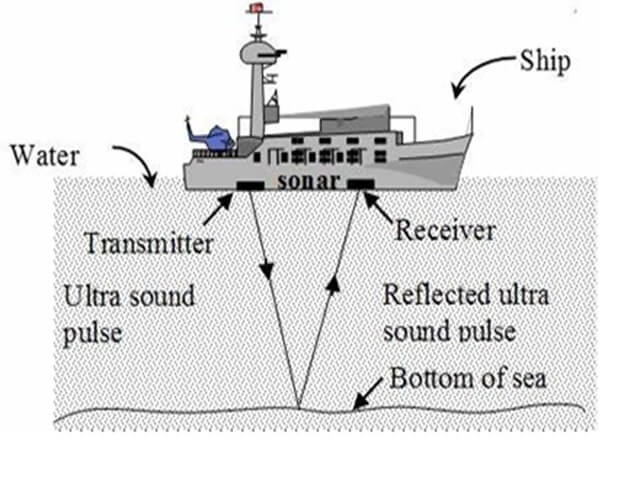
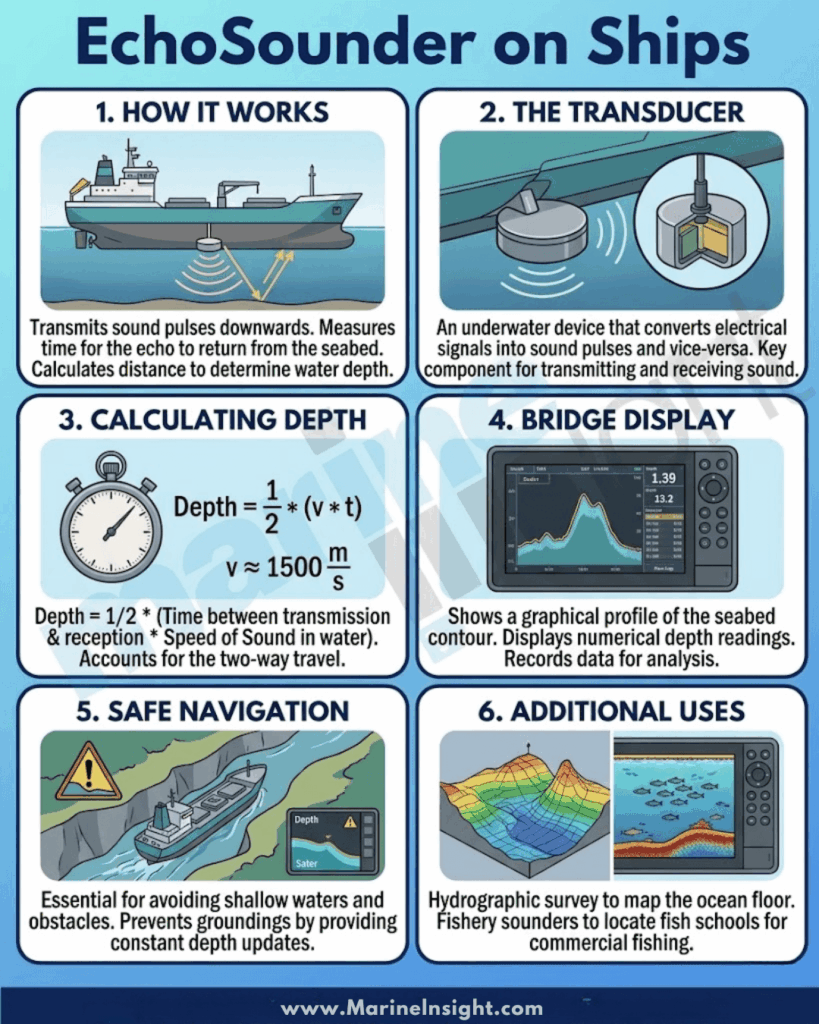
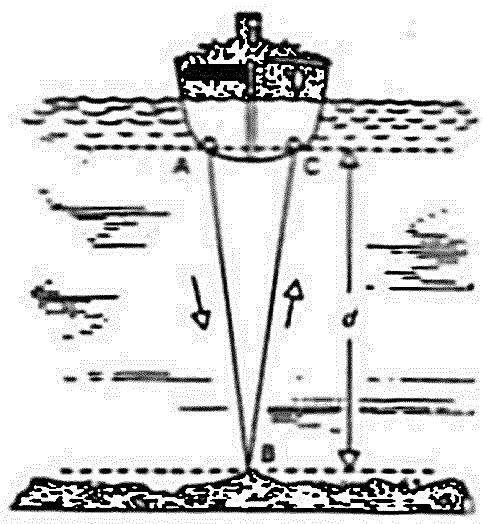
The echo sounder, also called a depth finder, relies on the transmission and reception of acoustic pulses. A transducer emits a sound pulse that travels through water, strikes a surface or bottom, and reflects back to the receiver. By measuring the time interval between emission and return, the device calculates water depth using the speed of sound in seawater. This fundamental concept is illustrated in the following diagram:

The diagram demonstrates the linear path of the sound pulse and the time‑delay measurement, which is then converted into depth by the echo sounder’s internal processor.
Key Components of an Echo Sounder
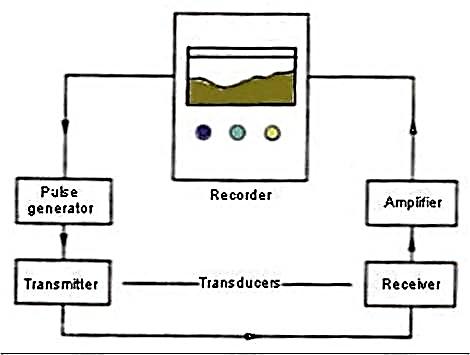
Understanding each part of the diagram is essential for troubleshooting and effective use:
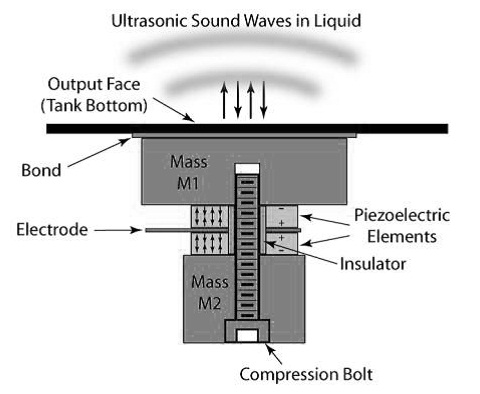
- Transducer (Sonar Head) – The primary acoustic emitter and receiver, usually mounted on the bow of the vessel.
- Control Unit – Displays depth, range, and other parameters; also stores navigation data.
- Transducer Cable – Connects the control unit to the transducer, transmitting both power and signal.
- Display Panel – Shows real‑time depth, bearing, and other metrics; may include a graphical sea floor map.
- Power Source – Provides electrical energy to the transducer and control unit.
- Water Temperature Sensor – Adjusts the speed of sound calculation based on temperature variations.
Interpreting the Echo Sounder Diagram
The diagram typically follows a standard layout: a vertical line indicating the transducer’s position, arrows showing pulse propagation, and a time‑delay box labeled “T.” Depth is calculated with the formula Depth = (Speed of Sound × Time Delay) / 2. The factor of two accounts for the pulse’s round‑trip journey. In dense sea regions around Asia, temperature and salinity can influence speed, so many modern echo sounders include a temperature sensor for more accurate readings.
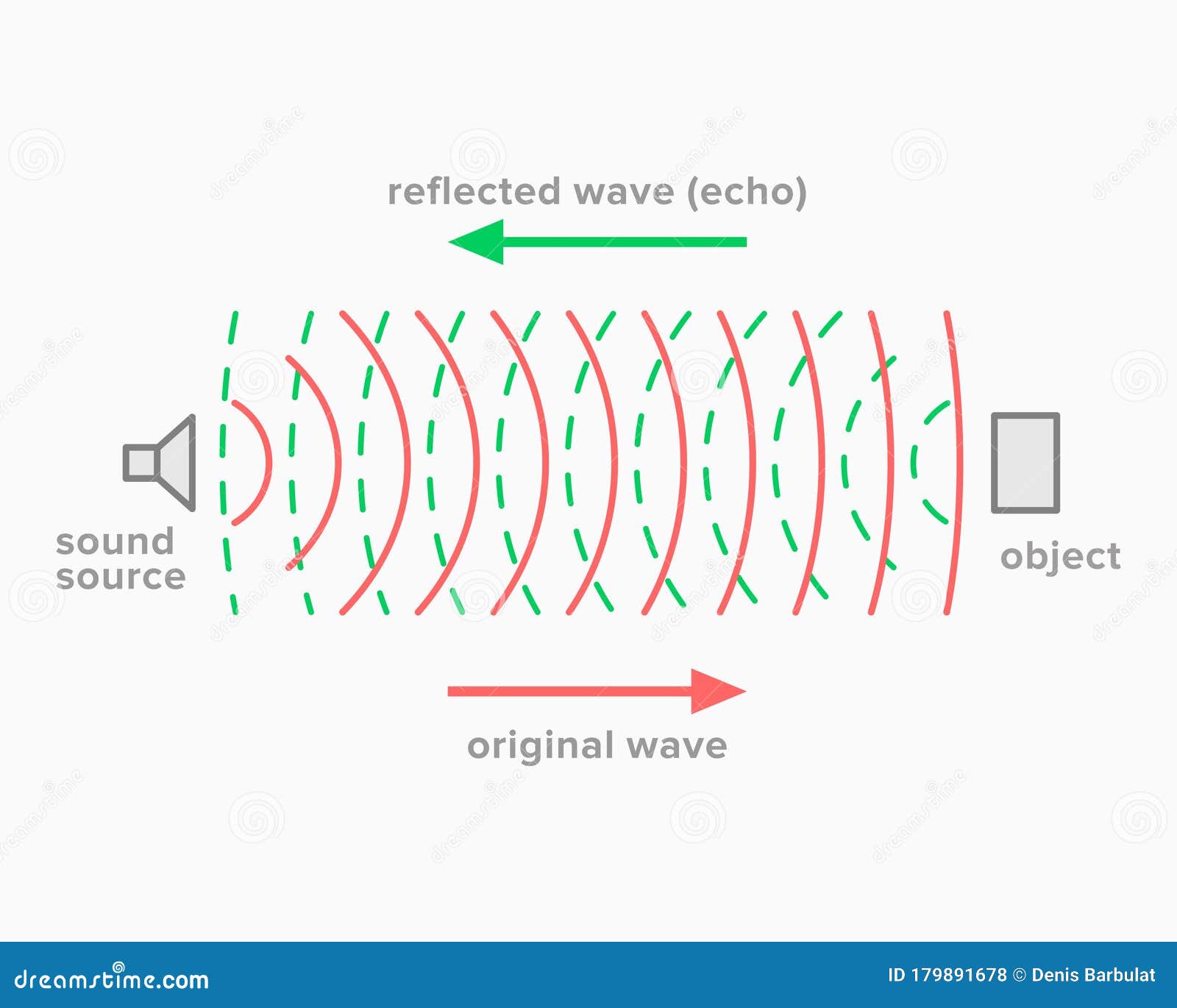
This image highlights the reflection process and helps you visualize how the transducer receives the echo. Notice the echo’s delayed arrival relative to the transmitted pulse; this delay is the core data used for depth calculation.
Applications of Echo Sounder Diagrams in Asian Waters
Asia’s extensive coastline and busy shipping lanes demand precise depth knowledge. The diagram assists in:
- Identifying safe navigation channels in shallow coastal waters.
- Planning dredging operations for port expansion projects.
- Monitoring coral reef health by detecting depth variations.
- Supporting research vessels in marine biology studies.
In regions where tidal ranges are significant, such as the Bay of Bengal or the South China Sea, accurate depth readings become even more critical to avoid grounding and to manage vessel traffic efficiently.
Common Challenges and How to Overcome Them
When reading echo sounder diagrams, users often encounter issues like:
- Noise and Clutter – Small objects, marine life, or wave action can produce spurious echoes. Use the “echo filter” setting to reduce clutter.
- Temperature Variations – Rapid changes can distort sound speed. Ensure the temperature sensor is calibrated and enabled.
- Transducer Alignment – Improper mounting can skew depth readings. Verify the transducer’s vertical alignment regularly.
Regular maintenance of cables and transducer housing, along with routine software updates, helps maintain diagram accuracy and reliability.
Tips for Accurate Depth Measurement
To make the most of your echo sounder diagram:
- Calibrate with Known Depths – Verify readings against a depth sounder in a known area.
- Use Dual‑Beam Systems – Provides a wider acoustic field, improving coverage in shallow waters.
- Adjust Frequency Settings – Lower frequencies penetrate deeper but sacrifice resolution; choose based on water depth and desired detail.
- Cross‑Check with GPS – Combine depth data with accurate positioning to create a reliable bathymetric map.
- Document Settings – Keep a log of transducer power, frequency, and sensor calibrations for future reference.
Conclusion
Mastering echo sounder diagrams is essential for safe navigation, effective maritime operations, and scientific research in Asia’s dynamic marine environments. By understanding the core principles, recognizing each component, and applying practical tips, you can ensure precise depth measurements and enhance overall vessel safety. Keep your equipment well‑maintained, stay updated on software enhancements, and always validate your data against known benchmarks. With these practices, your echo sounder will remain a reliable guide through the depths of the world's oceans.
Function Of Transducer In Echo Sounder At Mike Gloss Blog

Function Of Transducer In Echo Sounder at Mike Gloss blog
Single Beam Echo Sounders – Bathylogger

single beam echo sounders – Bathylogger
Sound Echo Diagram

Sound Echo Diagram
Echo Sounding Diagram 600m Water Depth Measuring With Single Beam Good

Echo Sounding Diagram 600m Water Depth Measuring With Single Beam Good
How Does A Echo Sounder Works At Jacob Bingham Blog

How Does A Echo Sounder Works at Jacob Bingham blog
Deep Sea Facts - How Does Echo Sounder Measure Depth?

Deep sea facts - How does echo sounder measure depth?
Working Principle Of Echo Sounder And Doppler Effect.pdf

Working Principle of Echo Sounder and Doppler Effect.pdf
Echo Sounding Diagram GE 103P Portable Depth Meter | Handheld

Echo Sounding Diagram GE 103P Portable Depth Meter | Handheld
Echo Sounding Diagram GE 103P Portable Depth Meter | Handheld
Echo Sounding Diagram GE 103P Portable Depth Meter | Handheld
Solved Diagram Shows A Boat Using An Echo Sounder Using | Chegg.com

Solved Diagram shows a boat using an echo sounder using | Chegg.com
Sound Echo Diagram

Sound Echo Diagram
Single Beam Echo Sounder Principle - The Best Picture Of Beam
Single Beam Echo Sounder Principle - The Best Picture Of Beam
PPT - Lead Lines And Echo Sounder PowerPoint Presentation, Free

PPT - Lead lines and Echo sounder PowerPoint Presentation, free ...
What Is A Multibeam Echo Sounder - The Best Picture Of Beam

What Is A Multibeam Echo Sounder - The Best Picture Of Beam
What Is An EchoSounder?
What is an EchoSounder?
Multibeam Echo Sounder Working Principle - The Best Picture Of Beam

Multibeam Echo Sounder Working Principle - The Best Picture Of Beam
Echo Sounding Diagram Basic Principle Echo Stock Vector (Royalty Free

Echo Sounding Diagram Basic Principle Echo Stock Vector (Royalty Free ...
UAV-Based Echo Sounder System By SPH Engineering

UAV-Based Echo Sounder System by SPH Engineering
What Is Echo Sounder And Its Use At Isabella Leake Blog

What Is Echo Sounder And Its Use at Isabella Leake blog
Echo Sounding Diagram Basic Principle Echo Stock Vector (Royalty Free

Echo Sounding Diagram Basic Principle Echo Stock Vector (Royalty Free ...
Echo Sounder

Echo Sounder
How Does A Echo Sounder Works At Jacob Bingham Blog

How Does A Echo Sounder Works at Jacob Bingham blog
Single Beam Echo Sounder Principle - The Best Picture Of Beam

Single Beam Echo Sounder Principle - The Best Picture Of Beam
ECHO_SOUNDER_PWR_POINT.pptx

ECHO_SOUNDER_PWR_POINT.pptx
Working Principle Of Echo Sounder And Doppler Effect.pdf

Working Principle of Echo Sounder and Doppler Effect.pdf
Echo Sounding Diagram Basic Principle Echo Stock Vector (Royalty Free

Echo Sounding Diagram Basic Principle Echo Stock Vector (Royalty Free ...
Echo Sounding Diagram GE 103P Portable Depth Meter | Handheld

Echo Sounding Diagram GE 103P Portable Depth Meter | Handheld
Sound Echo Diagram

Sound Echo Diagram
Single Beam Echo Sounder Principle - The Best Picture Of Beam
Single Beam Echo Sounder Principle - The Best Picture Of Beam
Sound Echo Diagram

Sound Echo Diagram
Echo Sounder On Ships - Diagram, Principle, Working & Components
Echo Sounder on Ships - Diagram, Principle, working & components